Mostrando entradas con la etiqueta Stock Market. Mostrar todas las entradas

The New York Stock Exchange: An Investor's Blueprint to Understanding Wall Street's Epicenter


Understanding the Epicenter: A Tour of the NYSE

Imagine standing at the very heart of global finance, a place where monumental decisions shape economies and fortunes are forged. The New York Stock Exchange (NYSE) isn't just a building; it's an institution, a symbol of capitalism, and a crucible for investment strategies. This exclusive look inside the NYSE, presented by Benzinga and guided by financial veteran Jay Woods, is more than a virtual tour. It's an investor's primer, a masterclass in appreciating the mechanics that drive markets and create wealth.

For decades, the NYSE has been the stage for some of the most significant financial IPOs and trading activities. Understanding its operations is paramount for anyone serious about maximizing their ROI. This isn't about speculative gambles; it's about grasping the fundamental infrastructure upon which profitable investment decisions are built. Prepare to see Wall Street not just as a street, but as a complex, dynamic ecosystem.

"The New York Stock Exchange is one of the most iconic and historic buildings in New York City. Now it's your chance to see it up close and personal!"

The Role of Jay Woods: From Floor Governor to Market Strategist

Our guide, Jay Woods, is no ordinary observer. His deep-rooted experience, spanning over 25 years as a Designated Market Maker (DMM) on the NYSE floor, provides an unparalleled perspective. As a DMM, he was directly responsible for orchestrating trades in high-profile IPOs and managing some of the most active issues. This hands-on expertise, coupled with his current role as Chief Market Strategist for DriveWealth Institutional, transforms this tour into a strategic asset for your financial education.

Woods' journey from an elected Executive Floor Governor – a position held by only six members – to a leading market strategist, underscores the depth of his understanding of market liquidity, price discovery, and the intricate dance of buyers and sellers. He brings a seasoned trader's eye to the analysis, offering insights that go far beyond the superficial reporting of stock prices. Understanding the roles of figures like Woods is crucial for identifying where true market opportunities lie, differentiating between noise and actionable intelligence. This is the kind of expertise that can significantly boost your investment returns.

His insights are invaluable for anyone looking to improve their asset allocation strategy and navigate the complexities of the financial markets. For those interested in deepening their understanding of trading mechanics, exploring advanced strategies is key. This often involves leveraging platforms that offer sophisticated tools for analysis and execution. Consider how platforms like trading platforms can complement the knowledge gained from market veterans like Woods.

Monetizing the Exchange: Unveiling Market Dynamics and Opportunities

The NYSE is a powerful engine for wealth creation, but its true potential is unlocked by understanding its underlying mechanisms. This tour offers more than just a historical glimpse; it's an investigative deep dive for the discerning investor looking to identify profitable niches and scalable models.

The Architecture of Opportunity: Trading Floors and IPOs

Witnessing the trading floors, the nerve center of the exchange, reveals the pulsating rhythm of capital flow. The process of an Initial Public Offering (IPO), a key driver of growth for both companies and investors, is orchestrated here. Understanding the lifecycle of an IPO, from underwriting to market debut, can be a significant advantage. Many retail investors miss out on early-stage growth because they lack the framework to identify promising IPO candidates. This is where strategic research and understanding market sentiment become critical.

For businesses considering going public, the process is complex and requires robust financial planning. Engaging with financial services and legal experts specializing in corporate finance is often a necessary step. Moreover, understanding the post-IPO performance of companies can provide valuable data for future investment decisions.

Beyond the Bell: Market Makers and Institutional Strategies

The role of Designated Market Makers (DMMs) like Jay Woods highlights the importance of liquidity provision in the market. DMMs ensure that there's always a buyer and a seller, preventing extreme price volatility and facilitating efficient trading. This institutional perspective is vital for understanding how large-cap stocks are managed and how market makers influence price discovery. For the individual investor, this translates into a better grasp of bid-ask spreads, order book dynamics, and the overall health of a security.

Exploring institutional strategies can reveal advanced techniques for portfolio management. Investing in sophisticated financial software, such as advanced analytics platforms or algorithmic trading tools, can provide a competitive edge. Businesses that offer these solutions often target serious investors and institutions, reflecting the high-value nature of this market segment. Exploring the financial software market can reveal tools that mirror the capabilities used by Wall Street professionals.

The Data Advantage: Information as Capital

In the information age, data is capital. The efficiency of the NYSE relies on the rapid dissemination and analysis of market data. Every trade, every announcement, every market fluctuation generates data that can be leveraged for profit. Understanding how this data is processed and utilized by professionals is key to developing your own data-driven investment strategies. This might involve subscribing to premium market data feeds, utilizing specialized charting software, or even developing custom analytical tools.

The ability to process and interpret vast amounts of financial data is a skill that can be monetized in various ways, from active trading to offering analytical services. For instance, becoming proficient in data analysis tools and techniques can open doors to high-paying roles in financial firms or allow you to build a successful freelance career in financial analytics. Learning skills in data science applied to finance is a solid monetizable skill.

Your Action Plan: Mastering Wall Street's Pulse

This glimpse into the NYSE is more than just an informational segment; it's a call to action. To truly benefit from the insights gained, you must translate knowledge into decisive financial moves. Here’s your blueprint:

Phase 1: Foundational Knowledge Acquisition (Weeks 1-2)

  1. Deep Dive into Market Structure: Revisit the concepts of DMMs, market makers, and order books. Understand how liquidity impacts pricing. Consider researching platforms like online brokers known for their execution speed and access to deep liquidity pools.
  2. Study IPO Mechanics: Learn about the process of taking a company public. Research historical IPO performance and identify factors that contribute to successful market debuts. This knowledge can inform your fundamental analysis.
  3. Follow Industry Thought Leaders: Actively follow financial strategists and analysts like Jay Woods. Subscribe to reputable financial news outlets such as Benzinga, and consider investing in premium research services or newsletters that offer actionable market intelligence.

Phase 2: Strategic Application & Tool Integration (Weeks 3-4)

  1. Portfolio Review and Optimization: Analyze your current investment portfolio through the lens of market structure and your risk tolerance. Are your holdings well-positioned for market volatility? Consider assessing your investment advisory needs if your portfolio requires professional realignment.
  2. Explore Advanced Trading Platforms: Research and potentially trial trading platforms that provide advanced charting, real-time data feeds, and order execution capabilities. Familiarity with these tools is crucial for sophisticated trading strategies. Look into options like WebTrader or platforms offered by major financial institutions.
  3. Develop a Data Analysis Framework: If you're not already doing so, start building a system for tracking and analyzing key market data. This could involve using spreadsheets, specialized software, or even learning basic coding for data scraping and analysis.

Phase 3: Active Engagement and Continuous Learning (Ongoing)

  1. Practice with a Paper Trading Account: Before committing real capital, use a paper trading account to simulate trades based on your newfound understanding of market dynamics. This allows you to refine strategies without financial risk.
  2. Network and Seek Mentorship: Engage with online communities, attend webinars, and seek out mentors or advisors who can offer guidance. Learning from experienced professionals is an invaluable investment.
  3. Stay Informed on Market Trends: The financial world is constantly evolving. Dedicate time each week to reading market analysis, understanding sector rotations, and staying abreast of macroeconomic factors influencing global markets.

Frequently Asked Questions

What is the primary role of the NYSE in the global financial system?

The NYSE serves as a primary marketplace for the trading of stocks and other securities, facilitating capital formation for companies and providing liquidity for investors. It's a critical hub for price discovery and market sentiment.

How can an individual investor benefit from understanding the NYSE's operations?

By understanding market mechanics, the roles of key players like market makers, and the dynamics of IPOs, individual investors can make more informed decisions, identify opportunities, manage risk more effectively, and potentially improve their investment returns.

Is it still possible for individual investors to profit in today's market?

Absolutely. While institutional players have significant advantages, informed individual investors can still profit by developing sound strategies, leveraging available tools, focusing on long-term value, and understanding market psychology. This often involves a commitment to continuous learning and disciplined execution.

About The Author

El Estratega Financiero is a seasoned business consultant and market analyst with over a decade of experience empowering entrepreneurs and investors to maximize profitability. His approach is grounded in data, systems, and relentless execution. He transforms complex financial landscapes into actionable blueprints for wealth creation.

The insights from this tour are just the beginning. The true value lies in your application of this knowledge. The NYSE represents immense opportunity, but it demands respect, strategy, and continuous learning. Take what you've seen and heard and transform it into your personal roadmap for financial success.

Your Mission: Identify one specific aspect of the NYSE's operations that you believe presents a distinct investment opportunity, and outline the first three steps you would take to research and potentially capitalize on it within the next 72 hours. Share your mission in the comments below.

Master Trendlines: Your Ultimate Guide to Unlocking Trading Profits


In the high-stakes arena of financial markets, precision and foresight are not mere advantages—they are the bedrock of survival and success. Among the most fundamental, yet often underestimated, tools at a trader's disposal are trendlines. These simple diagonal lines, drawn with intent and interpreted with wisdom, are your initial blueprint for navigating the chaotic currents of forex, stocks, and cryptocurrencies. They don't just indicate direction; they reveal the silent forces of liquidity at play, guiding you towards potentially profitable trades. This isn't about guesswork; it's about applying a disciplined strategy to discern patterns that the market readily offers. Let's break down how to wield this essential instrument like a seasoned professional.

Introduction: The Power of Trendlines

Trendlines are more than just lines on a chart; they are visual representations of market psychology and order flow. They connect significant price pivots—highs or lows—to illustrate the trajectory of an asset's value. In an uptrend, connecting successive higher lows forms a support trendline, indicating areas where buying pressure has historically emerged. Conversely, in a downtrend, connecting lower highs forms a resistance trendline, highlighting zones where selling pressure has historically dominated. Understanding this is your first step towards making informed trading decisions, rather than reacting impulsively to market noise. This foundational knowledge is crucial for anyone aiming to build a robust trading portfolio and achieve consistent returns. The ability to accurately draw and interpret trendlines is a cornerstone of technical analysis that can significantly enhance your Return on Investment (ROI).

Drawing Effective Trendlines: A Blueprint

The efficacy of a trendline hinges on its correct application. The process is deceptively simple, yet requires a keen eye for detail and an understanding of market structure. Here's a systematic approach:

  1. Identify the Trend: First, determine the overall market direction. Is the price consistently making higher highs and higher lows (uptrend), or lower highs and lower lows (downtrend)? Use higher timeframes (daily, weekly) to get a clear perspective.
  2. Select Key Pivots:
    • Uptrend: Locate at least two significant low points (swings lows) that are progressively higher. The more distinct and pronounced these lows are, the more reliable the trendline.
    • Downtrend: Identify at least two significant high points (swing highs) that are progressively lower. Ensure these highs are clearly defined.
  3. Draw the Line: Connect these identified pivot points with a straight line. The line acts as either support (in an uptrend) or resistance (in a downtrend).
  4. Validation: A trendline gains strength with each subsequent touch or test. A trendline that has been tested multiple times by the price without breaking is considered robust. A break of a well-established trendline often signals a potential shift in market momentum or the start of a new trend.

This methodical approach ensures that your trendlines are not arbitrary but are based on observable price action, a critical element for any sound investment strategy. Remember, a single point doesn't make a trendline; it requires at least two points to establish a direction, and a third point to validate its significance.

Trendline Trading Strategies: Identifying Liquidity

The true power of trendlines lies in their ability to indicate where liquidity is resting. Liquidity, in trading terms, refers to the available buying or selling volume at a certain price level. Traders often place their orders—stop losses and take profits—around significant technical levels, including trendlines. This creates pockets of concentrated liquidity that can influence price action.

- Trading with the Trend: The most straightforward strategy involves entering trades in the direction of the established trend when the price pulls back to the trendline and shows signs of bouncing off it. For instance, in an uptrend, you'd look for long entries when the price touches the support trendline and forms a bullish candlestick pattern. This is a conservative approach, aligning your trades with the prevailing market momentum, which can lead to a favourable risk-reward ratio.

- Breakout Trading: A break of a significant trendline often signals a shift in market sentiment and can precede a strong directional move. Traders might enter a position immediately after a confirmed breakout, anticipating a continuation of the new trend. It's crucial to wait for a clear break, often confirmed by increased volume and subsequent price action, to avoid false breakouts, a common pitfall akin to mistaking short-term fluctuations for long-term market shifts.

- Reversal Signals: A sustained trendline can also signal potential trend reversals. If the price repeatedly fails to break a resistance trendline in a downtrend, or a support trendline in an uptrend, it might indicate that sellers are losing control (in a downtrend) or buyers are exhausted (in an uptrend). A decisive breach of the trendline in the opposite direction of the original trend can then be interpreted as a signal for a potential reversal.

Understanding these liquidity zones is paramount for any serious trader looking to optimize execution and minimize slippage. This is where sophisticated trading platforms like TradingView truly shine, offering the tools to visualize and analyze these critical levels with precision.

Applying Trendlines Across Markets: Forex, Stocks, Crypto

The principles of trendline analysis are universal, making them applicable across diverse financial markets:

  • Forex Trading: Currency pairs often exhibit clear trends, making trendlines exceptionally effective. Whether you're analyzing EUR/USD or GBP/JPY, identifying and respecting trendlines can provide clear entry and exit signals, crucial for managing the inherent volatility of the forex market.
  • Stock Market Investing: In equities, trendlines help in identifying support and resistance levels for individual stocks or entire market indices. For example, drawing a trendline on the S&P 500 can offer insights into broader market sentiment and potential turning points. This is vital for long-term stock market investing strategies.
  • Cryptocurrency Trading: The crypto market, known for its rapid price swings and high volatility, also benefits immensely from trendline analysis. While trends can be more erratic than in traditional markets, identifying key trendlines on assets like Bitcoin or Ethereum can help traders navigate sharp moves and pinpoint potential accumulation or distribution zones. For instance, understanding crypto trading bots can amplify the effectiveness of trendline strategies by automating execution based on predefined rules.

Regardless of the market, the underlying principle remains the same: price tends to respect previously established patterns until a significant catalyst forces a change. A robust investment portfolio leverages these predictable patterns.

Advanced Concepts & Common Pitfalls

While basic trendline drawing is straightforward, mastering their application involves understanding nuances and avoiding common mistakes:

  • Angle of the Trendline: A trendline that is too steep might indicate an unsustainable parabolic move, prone to sharp reversals. Conversely, a very shallow trendline might be less significant. Aim for trendlines that reflect a more measured and sustainable pace of price movement.
  • False Breakouts: Price may briefly pierce a trendline before snapping back. Experienced traders often wait for confirmation – such as a close beyond the trendline on a higher timeframe, or a subsequent retest of the broken line as new support/resistance – before committing to a trade. This is similar to how one would conduct thorough due diligence before any significant financial commitment.
  • Multiple Trendlines: Sometimes, price can respect several trendlines simultaneously, creating channels. Recognizing these parallel trendlines can offer even more precise trading opportunities.
  • Ignoring Volume: Trendline breaks are far more significant when accompanied by high trading volume. Increased volume during a breakout suggests strong conviction behind the move, making it more likely to be sustained.

The best traders understand that trendlines are not infallible prophecy, but rather probabilistic tools that, when combined with other indicators and risk management, significantly improve trading outcomes. For those looking to automate these insights, exploring premium indicators like LuxAlgo or Market Cipher can provide an edge.

The Strategist's Verdict: Trendlines as a Foundation

Trendlines are not a standalone holy grail of trading, but they are an indispensable component of a trader's toolkit. They provide a visual roadmap, highlighting potential support, resistance, and momentum shifts. For any aspiring or seasoned trader, mastering the art of drawing and interpreting trendlines is foundational. They serve as the initial layer of analysis, offering a clear perspective on market structure before delving into more complex indicators or strategies. Think of them as the primary reconnaissance before launching a full-scale investment strategy. Their utility across forex, stocks, and crypto makes them a versatile and enduring tool for identifying profitable opportunities. Neglecting them is akin to navigating without a compass.

Binance Nexus: Amplify Your Crypto Trading

In the rapidly evolving landscape of digital assets, leveraging the right platforms is critical for maximizing potential. Binance stands as a global leader, offering a comprehensive ecosystem for trading cryptocurrencies that can powerfully complement your trendline analysis. Whether you're executing breakout trades, looking for support bounces, or managing risk on volatile crypto assets, Binance provides the advanced charting tools, deep liquidity, and diverse trading instruments necessary to capitalize on opportunities identified through trendline strategies.
The platform’s robust infrastructure supports high-frequency trading and advanced order types, which are essential when precise execution is needed around key trendlines. Furthermore, features like staking and futures trading on Binance can offer additional avenues to generate returns, potentially amplifying gains from your trendline-based strategies. By integrating your technical insights with the capabilities of a leading exchange, you position yourself to capture market movements more effectively and build a more robust crypto trading portfolio.

Your Action Plan: Mastering Trendlines Today

Theory is essential, but execution is where profits are made. Here’s your immediate action plan to integrate trendline analysis into your trading routine:

  1. Select an Asset and Timeframe: Choose a financial instrument you're interested in (e.g., EUR/USD on the 4-hour chart, Apple stock on the daily chart, or Bitcoin on the 1-hour chart).
  2. Identify the Primary Trend: Use a higher timeframe to confirm the overall direction.
  3. Draw Your Trendlines: Apply the blueprint to draw support and resistance trendlines on your chosen chart.
  4. Look for Trade Setups: Identify potential entries when the price approaches a valid trendline. Look for confirmation signals (candlestick patterns, volume).
  5. Practice Risk Management: Always define your stop-loss and take-profit levels before entering any trade. Aim for a favorable risk-reward ratio. Trading without a plan is like gambling without knowing the odds.
  6. Review and Refine: At the end of each trading day or week, review your trades. What worked? What didn't? How could your trendline analysis have been improved? Consistent review is key to refining your trading strategy and optimizing your portfolio.

Consider signing up with trusted partners like BYDFi or Phemex to practice these strategies in a live trading environment. For comprehensive learning, explore resources like the free trading course on YouTube. Your journey to becoming a proficient trader starts with disciplined application.

Frequently Asked Questions

About The Author

Alejandro Quintero Ruiz is a seasoned paranormal investigator and digital alchemist, blending the analytical rigor of intelligence work with the pragmatic insights of a seasoned financial strategist. With years of experience delving into the unexplained and the world of high-yield monetization, Alejandro crafts content designed not only to captivate but to generate tangible ROI. His expertise spans cryptids, UFOs, and the intricate art of leveraging AdSense for maximum profit, turning mysteries into lucrative assets.

Mastering the Stock Market: A Comprehensive 13-Minute Glossary for Financial Independence


The financial markets can seem like a labyrinth, especially when bombarded with jargon that sounds like a foreign language. But understanding these terms is not just about impressing your colleagues; it's about making informed decisions that pave the way to your financial independence. In just 13 minutes, we'll demystify the essential stock market and investment terminology, transforming confusion into clarity and inaction into informed strategy. This isn't just about learning words; it's about unlocking the potential for significant wealth creation.

The Foundation: What is a Stock?

At its core, a stock represents ownership in a company. When you buy shares, you become a shareholder, entitling you to a piece of the company's assets and earnings. These shares are traded on a stock exchange, a marketplace where buyers and sellers meet. Companies that offer their shares to the public are known as public companies. This public trading allows entities to raise capital for expansion and operational growth. Understanding the fundamental concept of stock ownership is the first step towards building a robust investment portfolio. For further insights into different types of corporate structures, consult resources on corporate finance.

Navigating Market Currents: Dynamics and Trends

Markets are in constant flux, influenced by a myriad of factors. A bull market signifies a period of sustained rising prices, often characterized by optimism and economic growth, while a bear market indicates a prolonged decline, typically associated with pessimism and economic contraction. The degree of price fluctuation is known as volatility. Volume, the number of shares traded over a period, provides crucial insight into market activity and investor sentiment. The total amount of money invested in a market or company is referred to as capital. Think of it as the lifeblood of economic activity. Understanding these dynamics is essential for any investor aiming to capitalize on market movements. The concept of market analysis is critical here.

Liquidity refers to how easily an asset can be converted into cash without affecting its price; high liquidity is a characteristic of healthy markets. A Bubble occurs when asset prices rise to unsustainable levels, often detached from their intrinsic value, eventually leading to a sharp correction. The Initial Public Offering (IPO) marks the first time a company offers its stock to the public, a significant event that can unlock substantial value for early investors.

Tools of Wealth Creation: Investment Instruments

Companies often distribute a portion of their profits to shareholders in the form of dividends. Blue-chip stocks are shares of well-established, financially sound companies with a history of reliable performance. For those looking to diversify, the world of currency exchange, known as Forex, offers another layer of potential investment. A portfolio is a collection of financial investments, including stocks, bonds, and other assets. Your holdings are the specific investments within that portfolio. It's important to differentiate between various financial instruments to optimize your investment strategy. For instance, understanding personal finance principles is crucial before diving into complex investment vehicles.

Interest, particularly compound interest, is the engine of long-term wealth growth. A bond is a debt instrument where an investor loans money to an entity (corporate or governmental) for a defined period at a fixed interest rate. Any type of investment, including stocks and bonds, can be considered a security. A broker is an individual or firm that facilitates the buying and selling of securities on behalf of investors. Utilizing a reputable brokerage service is paramount for efficient trading.

Quantifying Value: Key Metrics and Analysis

Going long is an investment strategy that involves buying an asset with the expectation that its price will rise. Conversely, shorting involves selling borrowed securities with the expectation that the price will fall, allowing the short-seller to buy them back at a lower price. An asset is any resource owned by a company or individual that holds economic value. Commodities are basic goods or raw materials, like oil, gold, or agricultural products, often traded on specialized exchanges. The yield of an investment represents the income return on that investment.

The Price-to-Earnings (PE) Ratio is a valuation metric used to compare a company's share price to its earnings per share, offering insight into whether a stock is overvalued or undervalued. An Index, like the S&P 500, is a statistical measure that represents the performance of a specific group of securities, serving as a benchmark for the overall market. Futures and Options are derivative contracts whose value is based on an underlying asset, offering sophisticated strategies for speculation and hedging. Investment strategies often leverage these instruments.

Exchange-Traded Funds (ETFs) are investment funds traded on stock exchanges, offering diversification across a basket of assets. Retirement savings accounts like the Individual Retirement Account (IRA) in the US are crucial for long-term financial planning. A liability is a financial obligation or debt of an individual or company. Penny stocks are stocks that trade at very low prices, often associated with small companies and high risk. The total value of a company's outstanding shares is its market capitalization.

Decoding the Lingo: Common Market Phrases

Leverage involves using borrowed capital to increase the potential return of an investment. A Balance Sheet is a financial statement that reports a company's assets, liabilities, and shareholders' equity at a specific point in time. Inflation, the rate at which the general level of prices for goods and services is rising, erodes purchasing power and impacts investment returns. In trading, the Bid is the highest price a buyer is willing to pay, while the Ask is the lowest price a seller is willing to accept. The difference between the bid and ask prices is the bid-ask spread.

A Black swan event is an unpredictable event that is beyond normal expectations and has potentially severe consequences. A Dead cat bounce is a temporary recovery in prices following a substantial fall. Whales refer to individuals or entities with large amounts of capital who can significantly influence market prices. Unicorns are privately held startup companies valued at over $1 billion. Phrases like "To the moon!" express extreme optimism about an asset's price potential, while "Tanking" describes a rapid and significant price decrease. Being "Jigged out" means being tricked out of a position or investment. Pump and dump schemes involve artificially inflating an asset's price and then selling it off, while a rug pull is a scam where developers abandon a project and run off with investors' funds. Panic selling occurs when investors sell assets indiscriminately due to fear, while short selling is a strategy that profits from a price decline. A short squeeze happens when short-sellers are forced to buy an asset to cover their positions, driving the price up further. Understanding these terms can help you avoid costly mistakes. For further analysis, explore financial scams.

Strategic Approaches: Execution and Timing

An order is a client's instruction to a broker. A limit order allows you to set a specific price at which you're willing to buy or sell. A stop-loss order is designed to limit an investor's loss by automatically selling an asset when it reaches a certain price. A market order executes a trade at the best available current price. An order that remains active until it's executed or explicitly canceled is known as Good till canceled (GTC) order, distinct from a day order which is only valid for the trading day. Averaging down is a strategy of buying more of an asset as its price falls, lowering your average cost per share. Fading is a contrarian strategy of betting against a prevailing trend.

A hedge fund is an alternative investment fund that typically uses complex strategies and aims to generate high returns. A mutual fund pools money from many investors to invest in securities like stocks, bonds, and money market instruments. Control stock refers to shares that grant the holder a controlling interest in a company. A holding company owns shares in other companies, primarily for investment purposes. An index fund is a type of mutual fund that tracks a specific market index. Day trading involves buying and selling financial instruments within the same trading day, while swing trading aims to capture profits over a period of days or weeks.

Beyond the Basics: Advanced Financial Principles

Intrinsic value is an estimation of a stock's true value based on fundamental analysis. Book value represents a company's net asset value based on its balance sheet. The Price-to-Book (PB) ratio compares a company's market value to its book value. Value investing focuses on buying stocks that appear to be trading for less than their intrinsic or book value, while growth investing prioritizes companies expected to grow at an above-average rate. Earnings Per Share (EPS) is a company's net profit divided by the number of outstanding shares. Financial analysis is key to identifying these values.

Technical Analysis studies past market data, primarily price and volume, to forecast future price movements. Fundamental Analysis, conversely, evaluates a security's intrinsic value by examining related economic, financial, and other qualitative and quantitative factors. The Efficient Market Hypothesis (EMH) suggests that asset prices fully reflect all available information. The economic principle of supply and demand fundamentally drives asset pricing. Insider trading involves trading securities based on material, non-public information, which is illegal. A ticker symbol is a unique series of letters assigned to a security for trading purposes. The power of Compound Interest is the interest earned on the initial principal and on the accumulated interest over time – the true engine of wealth. Your Profit Margin indicates how much profit is generated from each dollar of revenue. Dollar-cost averaging involves investing a fixed amount of money at regular intervals, regardless of market conditions, while Return on Investment (ROI) measures the profitability of an investment relative to its cost. Educating yourself on these principles is the first step to informed investment planning.

Maximizing Your Gains: The Binance Opportunity

The financial landscape is constantly evolving, and embracing new platforms can unlock significant opportunities for wealth generation. Binance stands as a global leader in the cryptocurrency exchange market, offering a comprehensive suite of tools for trading, staking, and investing in digital assets. By leveraging Binance, you can engage with the rapidly growing crypto economy, potentially amplifying your returns through innovative financial products. This platform serves as a gateway to a decentralized future of finance, providing the infrastructure to manage and grow your digital portfolio effectively. For those looking to diversify and explore high-potential markets, understanding and utilizing platforms like Binance is a strategic imperative.

The Strategist's Verdict: Opportunity or Over-Simplification?

This 13-minute overview serves as an invaluable primer, cutting through the noise to deliver the essential vocabulary of the financial markets. It effectively distills complex concepts into digestible pieces, making them accessible to both novice and intermediate investors. The broad scope ensures that you gain a foundational, albeit simplified, understanding of key terms ranging from basic stock definitions to more advanced trading strategies and financial principles. However, it's crucial to recognize the inherent limitations of such a condensed format. While this serves as an excellent starting point to spark curiosity, it is by no means a substitute for in-depth study and practical experience. Remember, the goal here is identification and comprehension, not mastery. The true path to financial success lies in continuous learning, diligent research, and cautious application of these concepts within a well-defined investment strategy. Always conduct your own thorough research and consult with qualified financial advisors before making any investment decisions.

Your Action Plan: Define Your Investment Thesis

Understanding these terms is the first step; the next is to apply them. Your mission is to choose one concept from this glossary that resonates most with your financial goals. Whether it's understanding compound interest, the implications of market volatility, or the mechanics of an ETF, dedicate the next 48 hours to researching that specific term further. Dive into articles, watch more detailed videos, and explore how it directly relates to your personal financial objectives. This focused research will build your confidence and provide a concrete starting point for your investment journey.

About the Author

The Financial Strategist is a seasoned business consultant and market analyst with over a decade of experience guiding entrepreneurs and investors toward maximizing profitability. Their approach is data-driven, systematic, and executed with relentless focus.

Disclaimer: This content is for informational and educational purposes only and should not be considered financial advice. The information presented may be oversimplified or potentially inaccurate. Always conduct your own thorough research and consult with a qualified financial advisor before making any investment decisions.

Most of this information has been compiled and adapted from reputable financial education platforms, with primary reference to Investopedia.com.

How to Day Trade Stocks: A Beginner's Blueprint for Generating Income


Understanding Day Trading: The High-Stakes Game

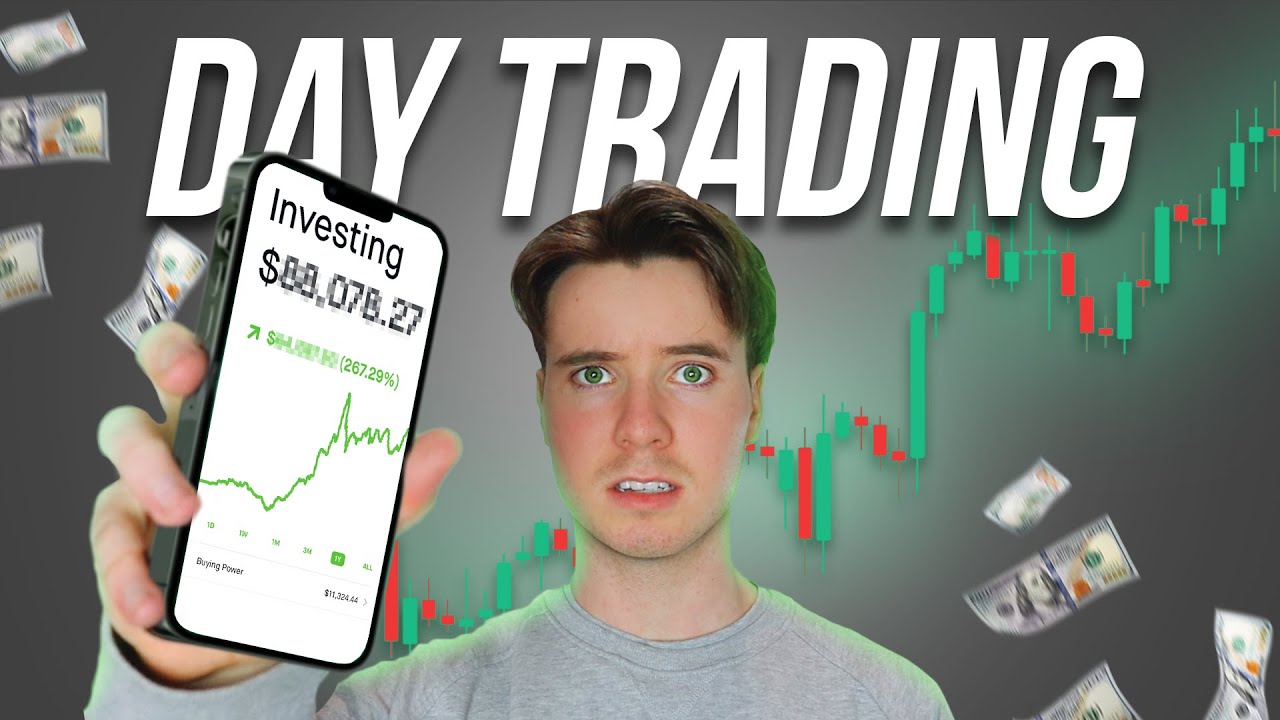
The allure of quick profits in the stock market often leads many, especially younger individuals in 2022, to explore day trading. This practice involves buying and selling financial instruments within the same trading day, aiming to capitalize on small price fluctuations. While the potential for rapid income generation is undeniable, it's crucial to approach day trading with a clear understanding of its inherent risks and the intense discipline required. It's not a get-rich-quick scheme; it's a high-stakes profession demanding constant learning and adaptation. For a comprehensive understanding of market dynamics, consider exploring resources on technical analysis and market psychology.

As a complete beginner, embarking on this journey can feel overwhelming. The initial investment, the jargon, the rapid-fire decisions – it's a steep learning curve. Many beginners are drawn to trading signals, hoping for a shortcut to profitability. However, relying solely on external advice without understanding the underlying principles can be a perilous strategy. It's akin to navigating a minefield with a blindfold on. Understanding the importance of due diligence is paramount; explore how to perform effective stock market research.

The Unvarnished Truth: Risks in Day Trading

"The first rule of any strategy employed in capital building, particularly in speculative markets, is to never lose your capital. Making money is secondary; preserving capital is primary." - A principle echoed by countless investors.

Day trading is not for the faint of heart, and the risks are substantial, especially when involving speculative instruments like stock options. Options trading, in particular, magnifies both potential gains and losses, making it a challenging arena for novices. A beginner with a $1000 capital might find their entire investment wiped out rapidly if the market moves against their position. This is where the importance of robust risk management strategies comes into play. Understanding concepts like stop-loss orders and position sizing is non-negotiable.

The stock market, while offering opportunities, is a volatile environment. Beginners must be aware of:

  • Market Volatility: Prices can swing dramatically in minutes, leading to significant losses.
  • Leverage Risk: While leverage can amplify profits, it equally amplifies losses, potentially leading to margin calls.
  • Psychological Pressure: The fast-paced nature of day trading can induce emotional decision-making, often leading to costly mistakes.
  • Trading Costs: Commissions, fees, and slippage can eat into potential profits, especially for frequent traders.

Before diving deep into day trading, it is wise to understand basic investment principles. Familiarize yourself with concepts like diversification and long-term investing strategies.

Day Trading Blueprint for Beginners: From $1000 to Potential Profit

Embarking on a day trading journey with limited capital, such as the $1000 explored in this challenge, requires a meticulously crafted strategy focused on risk mitigation and capital preservation. The goal is not to get rich overnight, but to learn the mechanics of the market and identify potential opportunities without jeopardizing your entire stake.

Phase 1: Foundational Education & Market Analysis

  1. Intensive Learning: Before placing a single trade, immerse yourself in educational resources. Understand market hours, order types (market, limit, stop-loss), and basic charting patterns. Explore reputable online courses on technical analysis and stock market fundamentals.
  2. Platform Selection: Choose a broker that offers low commissions, a reliable trading platform, and ideally, a demo account for practice. Platforms like Tiger Brokers are often considered by beginners, but thorough research into their terms, fees, and regulatory compliance is essential.
  3. Strategy Development: Identify a simple, repeatable trading strategy. This might involve following specific technical indicators, trading during particular market hours (e.g., the opening bell), or focusing on high-liquidity stocks.

Phase 2: Simulated Trading & Risk Management

  1. Paper Trading: Utilize a demo account to practice your strategy with virtual money. This allows you to test your approach without risking actual capital and helps you understand the platform's interface.
  2. Strict Risk Management: Define your risk per trade. A common rule is to risk no more than 1-2% of your total capital on any single trade. For a $1000 account, this means risking only $10-$20 per trade. Implement strict stop-loss orders to limit potential losses.
  3. Capital Preservation: Your primary objective with a small account is to survive. Focus on protecting your capital above all else.

Phase 3: Executing with Real Capital (Cautiously)

  1. Start Small: When you transition to live trading, begin with the smallest possible positions.
  2. Monitor and Adapt: Continuously track your trades, analyze your performance, and be prepared to adjust your strategy based on market conditions and your results.
  3. Understand the 'Why': Always know exactly why you are entering and exiting a trade. Avoid impulsive decisions.

Remember, day trading liquidity requires significant capital to be truly effective. For individuals starting with smaller amounts, focusing on long-term investment strategies or building a side hustle through skills like copywriting or web development might offer a more sustainable path to financial growth.

The Trading Signals Dilemma: Relying on External Advice

The temptation to follow trading signals, especially when starting out, is immense. These signals, often sold or provided freely online, promise to guide traders toward profitable trades. However, the effectiveness and reliability of these signals can vary wildly. Many signal providers are not regulated financial advisors, and their advice may not be suitable for your specific financial situation or risk tolerance.

"The market rewards those who understand it, not those who merely follow instructions blindly."

When you rely on trading signals, you forfeit your own analytical process and critical decision-making. You become a passive participant rather than an active trader. Moreover, the source of these signals could be flawed, outdated, or even fraudulent. Before entrusting your capital to any signal service, conduct extensive due diligence. Investigate the provider's track record, understand their methodology, and most importantly, consult with a qualified financial advisor to determine if their recommendations align with your overall financial plan.

Options Trading Primer: Navigating Complexity

Options trading introduces a layer of complexity far beyond simply buying and selling stocks. An option is a contract that gives the buyer the right, but not the obligation, to buy or sell an underlying asset (like a stock) at a specific price on or before a certain date. This introduces concepts like:

  • Call Options: The right to buy.
  • Put Options: The right to sell.
  • Strike Price: The price at which the option can be exercised.
  • Expiration Date: The date by which the option must be exercised or expire worthless.

For beginners, options trading can be particularly daunting. The potential for rapid capital loss is amplified due to factors like time decay (theta) and volatility (vega). Understanding these Greeks is crucial for any serious options trader. Before trading options with real money, it is highly recommended to complete specialized courses on options trading strategies and to practice extensively in a simulated environment.

Crucial Disclaimer: Not a Financial Advisor

It is imperative to state that the information presented here, and in any similar content exploring speculative trading, is for informational and entertainment purposes only. I am not a certified financial advisor, and this content should not be construed as professional financial advice. Trading in the stock market, especially options trading, carries a significant risk of capital loss. All investment decisions should be made after conducting thorough personal research, consulting with qualified financial professionals, and assessing your individual risk tolerance and financial circumstances. Never invest money you cannot afford to lose. For regulated advice, consider consulting with a licensed investment manager.

Maximizing Your Gains: The Binance Opportunity

While traditional stock markets offer avenues for investment, the burgeoning world of cryptocurrency presents another frontier for potential wealth creation. Platforms like Binance have emerged as global leaders, offering a diverse range of products and services that cater to both novice investors and seasoned traders. Beyond simple cryptocurrency spot trading, Binance provides opportunities for passive income through features like staking, yield farming, and its own savings products. For those with a higher risk appetite and a keen interest in the decentralized future, exploring Binance's offerings could be a logical next step after solidifying your understanding of traditional markets. Remember, diversification across asset classes, including exploring reputable cryptocurrency investment avenues, is a key strategy for robust portfolio growth. Always conduct your own research (DYOR) and understand the volatility associated with digital assets.

Your Actionable Plan: Taking the First Step

The path to potentially profitable day trading, or any form of market participation, begins with informed action. Given the high risk, the immediate mission is not to trade, but to educate and simulate.

Your Mission: Master the Fundamentals Before You Trade

  1. Commit to Education: Dedicate at least 40 hours this month to studying day trading principles, technical analysis, and risk management. Utilize free resources from reputable financial education websites or consider a well-vetted introductory course. Start by understanding the basic stock market basics.
  2. Open a Demo Account: Sign up for a paper trading account with a reputable broker. This is non-negotiable.
  3. Develop Your Strategy: Based on your education, define a simple trading strategy that you will test exclusively in your demo account for at least two weeks. Document every trade.
  4. Financial Health Check: Before even considering live trading, ensure your personal finances are in order. Have an emergency fund, pay down high-interest debt, and understand your true risk tolerance. Consult with a financial planning expert if needed.

The journey of a trader is a marathon, not a sprint. Prioritize learning and risk management above all else. If you're looking for quicker, less volatile income streams, explore building passive income through online businesses or mastering a high-demand freelance skill.

About the Author

The Financial Strategist is a seasoned business consultant and market analyst with over a decade of experience empowering entrepreneurs and investors to maximize their profitability. Their approach is rooted in data, systematic execution, and a relentless focus on ROI. They deconstruct complex financial concepts into actionable strategies, guiding individuals towards tangible wealth creation.

The information presented here offers a glimpse into the world of day trading. While the allure of quick profits is strong, the reality is a demanding discipline requiring extensive knowledge, strict risk management, and continuous learning. For most individuals, especially beginners, a focus on long-term, diversified investing is a more prudent path to building sustainable wealth. Platforms like Binance and established stock markets offer various entry points, but always remember that education and caution are your greatest assets.

Mastering Candlestick Patterns: The Ultimate Trading Strategy for Instant Profit


Introduction: The Candlestick Advantage

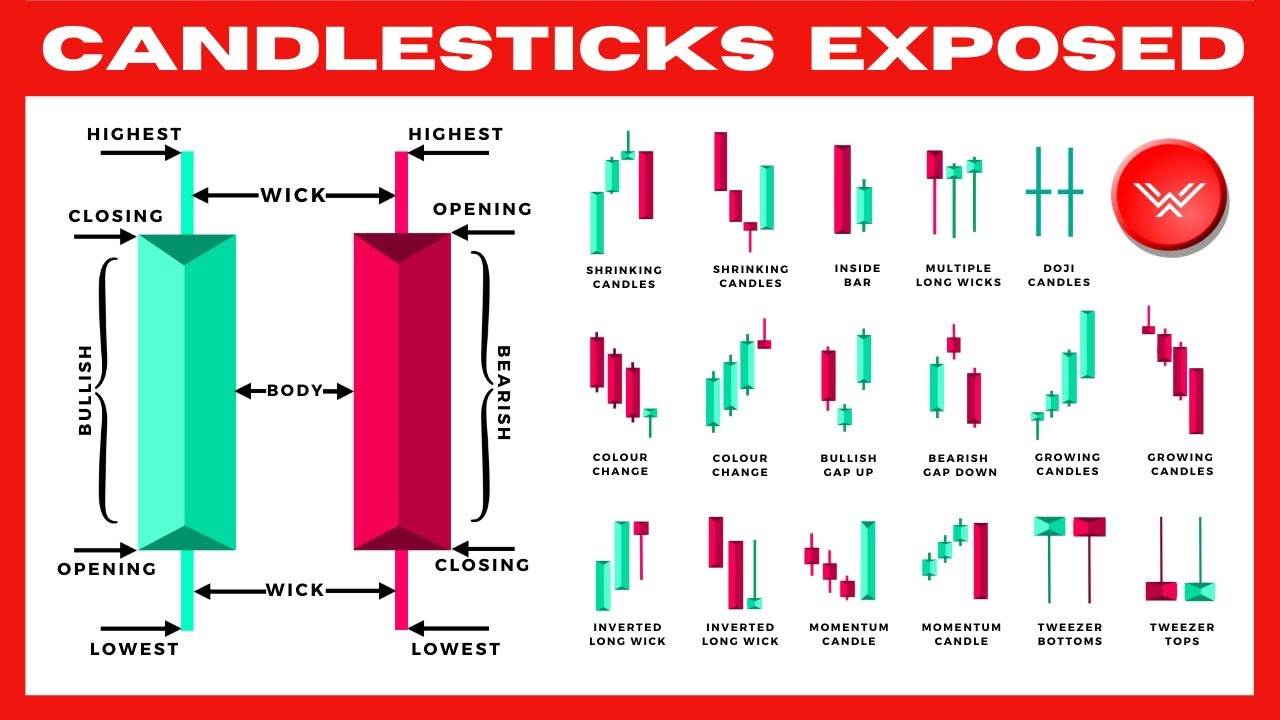
In the fast-paced world of financial markets, understanding price action is paramount. Candlestick patterns, a cornerstone of technical analysis, offer a visual narrative of market sentiment, supply, and demand. While widely used, many traders fail to leverage their true potential, often misinterpreting signals or using them in isolation. This advanced strategy, pioneered by Wysetrade, goes beyond the basics, integrating a comprehensive suite of concepts to provide a robust framework for profitable trading. If you're serious about maximizing your returns, grasping these patterns isn't just beneficial – it's essential.

Expert Insights: Beyond Basic Patterns

Our platform, Wysetrade.com, is dedicated to providing expert content that elevates your trading acumen. We delve deep into the nuances of market dynamics, far beyond surface-level pattern recognition. This advanced strategy is the culmination of years of experience and meticulous analysis, designed to equip you with the tools and knowledge to navigate complex market conditions. Don't just recognize a pattern; understand the story it tells and its implications for future price movements.

The Wysetrade Advanced Candlestick Strategy

This strategy is not about memorizing individual candlestick formations. It's about understanding the underlying principles and how different patterns interact with each other and with broader market trends. We combine all the concepts from our previous educational modules, assuming you have a foundational understanding. If you’re new to our methodology, it is imperative that you watch all our videos to ensure you are up-to-date. This holistic approach allows for higher probability trades and significantly reduces the guesswork often associated with technical analysis.

"Candlesticks are the heartbeat of the market. Learning to read them accurately is like learning to read a patient's vital signs – it tells you everything you need to know about their condition and potential prognosis."

The core of our advanced strategy lies in:

  • Contextual Analysis: Understanding where a pattern appears on the chart (e.g., in an uptrend, downtrend, or consolidation zone) dramatically changes its significance.
  • Confirmation Signals: Never trade a pattern in isolation. We integrate confirmation from other technical indicators, such as volume, moving averages, and support/resistance levels.
  • Risk Management Integration: Every trade setup must include a clearly defined stop-loss and take-profit target. This is non-negotiable for capital preservation and consistent profitability.

By mastering these elements, traders can transition from simply identifying patterns to making informed, strategic trading decisions. This methodical approach is key to achieving that coveted consistency in your trading P&L.

Avoiding Pitfalls: The Trader's Trap

The most common pitfall for traders using candlestick patterns is treating them as a standalone holy grail. This often leads to premature entries, missed opportunities, and ultimately, losses. Many beginner and even intermediate traders fall into the trap of:

  • Ignoring Market Context: A bullish engulfing pattern failing at a major resistance level is a prime example of this mistake.
  • Lack of Confirmation: Entering a trade based solely on a single candlestick formation without waiting for supporting evidence from other indicators.
  • Poor Risk Management: Not setting adequate stop-losses, leading to catastrophic losses on a single losing trade.

Our strategy is built to counter these errors. By emphasizing comprehensive analysis and robust risk protocols, we aim to transform your trading approach from reactive speculation into proactive, calculated execution. This is crucial for building long-term wealth, not just chasing short-term gains.

Essential Trading Arsenal

To effectively implement any trading strategy, having the right tools at your disposal is critical. We advocate for a streamlined yet powerful arsenal:

  • Charting Platform: A reliable platform for real-time data and advanced charting capabilities is non-negotiable. We highly recommend TradingView’s FREE Charting Platform, which provides extensive tools for technical analysis.
  • Market News and Analysis: Staying informed with expert insights can provide context for price action. Explore our curated content at Wysetrade.com for in-depth market analysis.
  • Trading Tools and Indicators: Customizable tools can enhance your analytical process. Check out Our Trading Tools for resources designed to complement your strategy.

Investing in your trading tools is as important as investing in a diversified portfolio. The right software can provide the edge needed to outperform.

Maximizing Your Gains: The Binance Opportunity

While traditional markets offer opportunities, the burgeoning cryptocurrency space presents a unique frontier for wealth creation. Binance stands as a global leader in digital asset exchange, offering a robust platform for trading, staking, and earning through a variety of innovative financial products. Integrating cryptocurrency into your investment strategy can offer significant diversification benefits and potentially uncorrelated returns. By leveraging Binance's extensive features, you can access a vast market and explore avenues for passive income, complementing your active trading efforts. For those looking to diversify their portfolio and tap into the future of finance, exploring Binance is a strategic move that aligns with a forward-thinking wealth-building approach.

Your Mission: Execute with Precision

Mastering candlestick patterns is not a passive endeavor; it requires diligent study, consistent practice, and unwavering discipline. The Wysetrade advanced strategy provides a potent framework, but its success hinges on your ability to execute. Remember that every trade represents an opportunity to apply what you've learned, manage risk effectively, and move closer to your financial objectives.

Your Mission: Chart Your First High-Probability Setup

This week, your mission is to actively seek out and analyze at least three high-probability candlestick patterns using the principles discussed. Don't just identify them; perform a full analysis, including confirming indicators and defining your risk parameters. Document your findings and your trading plan. Your journey to consistent profitability starts with consistent action.

About the Author

The Financial Strategist is a seasoned business consultant and market analyst with over a decade of experience guiding entrepreneurs and investors toward maximizing their profitability. Their approach is data-driven, systems-oriented, and focused on relentless execution. They transform complex financial concepts into actionable, revenue-generating strategies.

Passive Income Blueprint: Unlocking $27k Weekly with Proven Strategies


The pursuit of financial freedom often hinges on a single, critical question: how can you decouple your time from your income? Relying solely on a traditional paycheck is a slow path to wealth, susceptible to inflation and economic downturns. The true architects of financial security build assets that work for them, day and night. We're talking about passive income – income generated with minimal ongoing effort. Today, we're not just exploring theoretical concepts; we're dissecting concrete strategies that have proven capable of generating significant weekly returns, even upwards of $27,000.

This isn't about get-rich-quick schemes or unrealistic promises. This is about understanding market dynamics, leveraging existing skills, and strategically building income streams that compound over time. Whether you're looking to supplement your current earnings or build a foundation for complete financial independence, the blueprint you need starts here. We'll cover everything from intelligent investing to creative digital ventures.

"The key is not to need the money from your investments to live. If you can do that, good investments will compound faster and faster." - Warren Buffett

1. Investing in Stocks and Shares

The bedrock of most wealth-building strategies lies in smart investing. Stocks and shares offer a tangible way to own a piece of successful companies and benefit from their growth and profitability. This isn't speculation; it's about strategic allocation into assets with a proven track record of appreciation. The potential for capital gains and dividend income makes this a cornerstone of passive income generation.

For UK residents, platforms like Freetrade provide a user-friendly interface to access the stock market. For our US-based audience, Webull offers a robust platform with advanced trading tools, making it easier to execute your investment strategy and monitor your portfolio's performance.

Risk Warning: Investing in stocks and shares involves a significant risk of capital loss. It is crucial to conduct thorough research and consider diversifying your portfolio to mitigate risk. Consult with a qualified financial advisor before making any investment decisions.

2. Building a YouTube Channel

In the digital age, content is king, and YouTube reigns supreme. A successful YouTube channel can evolve into a powerful passive income generator through ad revenue, sponsorships, and merchandise. The key is to create valuable, engaging content that resonates with a specific audience. Consistency and understanding your niche are paramount.

Creating compelling video content requires more than just a camera. It demands strategic planning, compelling storytelling, and effective editing. For those serious about scaling their YouTube presence, resources like Ali Abdaal's "Grow / Monetise your YouTube Channel" course offer a deep dive into building a channel that not only attracts viewers but also converts them into revenue streams.

3. Launching a Podcast

Podcasting has exploded in popularity, offering an intimate and accessible way to connect with an audience. Similar to YouTube, podcasts can generate passive income through advertising, sponsorships, and premium content. The barrier to entry is relatively low, making it an attractive option for many.

The power of audio content should not be underestimated. It allows for deep engagement and can be consumed passively, fitting seamlessly into people's daily routines. For insights into this dynamic market, consider exploring the work of individuals like Sheen's podcast, which offers valuable lessons in content creation and audience engagement.

4. Becoming an Affiliate Marketer

Affiliate marketing is a performance-based business model where you earn a commission by promoting other people's or companies' products. You find a product you like, promote it to others, and earn a piece of the profit for each sale that you make. This model thrives on trust and authentic recommendations.

Success in affiliate marketing requires understanding your audience and choosing products that genuinely align with theirNeeds. Resources like Pat Flynn's affiliate marketing course can provide a structured approach to building a profitable affiliate business, focusing on ethical promotion and long-term audience relationships.

5. Monetizing with Digital Products

Creating and selling digital products, such as e-books, templates, or software, offers immense scalability with minimal overhead. Once created, a digital product can be sold repeatedly without the need for physical inventory or complex logistics. This is a prime example of building an asset that generates revenue around the clock.

Your own skills and expertise are the most valuable assets here. If you have a unique insight, a valuable process, or a creative talent, packaging it into a digital format can unlock significant income potential. Consider the success of creators like Traf, whose digital offerings cater to a devoted audience.

6. Creating and Selling Online Courses

Online courses have democratized education, allowing experts to share their knowledge with a global audience. While creating a high-quality course requires significant upfront effort, it can become a substantial source of passive income. Platforms like Teachable or Kajabi simplify the process of hosting and selling your educational content.

The demand for specialized knowledge continues to grow. Think about the impact of creators like Oliur, who leverages his expertise to build businesses around his content and products.

7. Building a Recurring Revenue Membership

Membership communities offer a predictable, recurring revenue stream. By providing exclusive content, support, or access to a curated community, you can build a loyal subscriber base willing to pay a monthly or annual fee. This model fosters strong customer relationships and predictable cash flow.

The key to a successful membership is delivering consistent, high-value content and fostering a sense of belonging. Think of communities like Ness Labs, which offer a hub for curious minds to connect and learn.

8. Automating Business Operations

True passive income often involves building systems that can operate with minimal human intervention. This could range from automated e-commerce stores to software-as-a-service (SaaS) products. The goal is to create a business that runs itself, leveraging technology to maximize efficiency and scalability.

The implementation of robust CRM systems, automated marketing funnels, and efficient customer service bots are critical components of a truly passive business. This requires a strategic understanding of business process optimization.

9. Developing an App or Website

Creating a mobile app or a niche website can be a significant undertaking, but the potential for passive income is immense. Whether it's through in-app purchases, advertising, or subscription models, a well-designed and marketed digital product can generate revenue for years to come.

The strategy here is to identify a market need or a pain point and build a digital solution. Creators like Hannah Witton demonstrate how building a platform around a core offering can spin off multiple income streams.

The Economist's Verdict: Is This Your Path to Wealth?

The strategies outlined above represent a paradigm shift from traditional employment. They are not mere side hustles; they are blueprints for building sustainable wealth. Success hinges on a few critical factors: identifying a scalable niche, delivering genuine value, mastering marketing and sales, and, crucially, understanding financial management. Each of these income streams, when nurtured correctly, has the potential to generate substantial returns, moving you closer to financial autonomy.

The Financial Strategist is a leading business consultant and market analyst with over a decade of experience empowering entrepreneurs and investors to maximize their profitability. Their approach is data-driven, systematic, and focused on relentless execution, transforming complex financial concepts into actionable wealth-building strategies.

The Entrepreneur's Arsenal

  • Books: "The Intelligent Investor" by Benjamin Graham, "Rich Dad Poor Dad" by Robert Kiyosaki, "The 4-Hour Workweek" by Tim Ferriss.
  • Software: CRM (HubSpot, Zoho CRM), Email Marketing (ConvertKit, Mailchimp), Project Management (Asana, Trello), Accounting (QuickBooks, Xero).
  • Platforms: Shopify (E-commerce), Teachable (Online Courses), Binance (Cryptocurrency).

Your Action Plan: Launching Your Passive Income Stream

The information presented is valuable, but its true worth is unlocked through action. Here’s your immediate mission:

  1. Identify Your Core Asset: What skill, knowledge, or passion can you leverage? Is it investing, content creation, or a specific expertise?
  2. Select Your Primary Strategy: Choose one or two of the passive income models that best align with your asset and market demand. Don't try to do everything at once.
  3. Market Research & Validation: Deeply understand your target audience and validate the demand for your offering. Use tools like Google Trends and keyword research.
  4. Build Your Foundation: Set up the necessary infrastructure – whether it's a brokerage account, a website domain, or a podcast hosting service.
  5. Create & Launch: Develop your product, service, or content. Focus on quality and delivering value.
  6. Promote & Automate: Implement a marketing strategy and build systems to automate as much of the income generation process as possible.

Now, it's your turn. Which passive income stream will you focus on first? Share your commitment and your first actionable step in the comments below. Let's build your financial empire together.