Mostrando entradas con la etiqueta Financial Strategy. Mostrar todas las entradas

Unmasking China's Cryptoqueen: A Blueprint for Navigating Cryptocurrency Scams and Seizures


In the volatile world of digital assets, stories of immense wealth creation are often shadowed by tales of catastrophic loss and illicit gains. The case of Qian Zhimin, dubbed "China's Cryptoqueen," encapsulates this duality, culminating in Britain's largest-ever cryptocurrency seizure. This isn't just a sensational news story; it's a critical case study for anyone involved in or considering the cryptocurrency market. Understanding how such schemes operate, how sophisticated criminals exploit regulatory loopholes, and, crucially, how law enforcement can intervene, is paramount for safeguarding your own investments. Today, we dissect this high-profile case to arm you with the knowledge to navigate the complexities of digital finance and protect your capital.

Qian Zhimin: The Chinese Cryptoqueen Emerges

The narrative of Qian Zhimin is a stark reminder of the allure and danger inherent in the cryptocurrency boom. Between 2014 and 2017, an era marked by burgeoning interest in Bitcoin and other digital currencies, an investment company operating under a veneer of legitimacy promised extraordinary returns to thousands of ordinary Chinese citizens. This was the fertile ground where Qian Zhimin, the architect of this digital façade, cultivated her scheme. By presenting a vision of fabulous riches, she successfully attracted a vast pool of capital, effectively positioning herself as a queen in the nascent, unregulated crypto kingdom.

"The biggest fortunes are often built on the biggest illusions." - A common adage in the world of finance, tragically exemplified by the Cryptoqueen's rise and fall.

The promise of quick wealth is a powerful motivator, and in the early days of cryptocurrency, the lack of stringent oversight created a perfect storm for fraudulent activities. For investors, this period underscored the vital importance of due diligence, even when faced with seemingly groundbreaking opportunities. Understanding the fundamental principles of asset management and risk assessment, concepts typically associated with traditional finance, becomes even more critical in the exponentially more complex and volatile digital asset space. This includes thoroughly researching any investment platform, understanding the underlying technology, and being acutely aware of regulatory frameworks – or the lack thereof.

The Scam That Reached Every Province in China

The scale of Qian Zhimin's operation was staggering, extending its reach to virtually every province in China. Thousands of individuals, from all walks of life, entrusted their savings to her company, lured by promises that seemed too good to be true – and, as it turned out, they were. This widespread impact highlights a critical vulnerability: the human desire for financial security and growth can be exploited by sophisticated manipulators who leverage emerging technologies. The ability of such schemes to permeate diverse geographic and demographic segments within a nation underscores the need for robust financial education and consumer protection at a national level. For the average investor, this serves as a potent warning: if an investment opportunity sounds too perfect, it almost invariably is. Diversification of your investment portfolio across different asset classes, including traditional financial instruments and carefully vetted digital assets, remains a cornerstone of prudent financial planning. Furthermore, exploring insurance options for your digital assets, though nascent, is becoming increasingly relevant.

The collapse of such a widespread scheme inevitably leads to significant economic fallout for countless families. This is where the concept of financial recovery and legal recourse becomes crucial. The story of the Cryptoqueen isn't just about the scam; it's also about the subsequent chase and eventual recovery of assets. Understanding the legal pathways for asset seizure and repatriation, particularly in cross-border cases involving digital currencies, presents a complex challenge for both law enforcement and victims. This is where specialized legal expertise in cryptocurrency law becomes invaluable, a service often sought by sophisticated investors and institutions navigating these murky waters.

Qian Escapes China for the UK

As the foundations of her fraudulent empire began to crumble, Qian Zhimin executed a calculated escape, absconding to the United Kingdom with a substantial Bitcoin stash purchased with the illicitly obtained funds. This flight to a jurisdiction with a different legal framework is a common tactic employed by white-collar criminals seeking to evade justice and protect their ill-gotten gains. It immediately escalates the complexity of asset recovery, transforming a domestic fraud case into an international manhunt. For law enforcement agencies worldwide, this necessitates enhanced cross-border cooperation and the development of specialized units capable of tracing and seizing digital assets across different jurisdictions. The UK, in this instance, became the battleground for recovering what would become Britain's largest cryptocurrency seizure.

This international dimension is a critical factor for any investor or business operating in the digital asset space. Understanding the regulatory landscape not only in your home country but also in potential international hubs is essential. This includes researching the financial services offered by different countries, such as cryptocurrency exchanges like Binance, and the legal protections they afford. The ability to move assets, however, is a double-edged sword; it allows for global investment but also enables flight from accountability. Companies providing specialized cryptocurrency legal services are becoming increasingly vital in navigating these cross-border challenges.

A Dream of Becoming Queen of Liberland

Beyond the financial machinations, Qian Zhimin harbored an even more audacious ambition: to become the queen of Liberland, a self-proclaimed micronation established on disputed territory between Croatia and Serbia. This peculiar aspiration adds a layer of the surreal to an already extraordinary case. While Liberland itself remains a fringe entity with no international recognition, Qian's apparent desire to associate herself with such a project speaks volumes about the mindset of individuals operating on the fringes of legality and societal norms. It suggests a detachment from conventional systems and perhaps an attraction to alternative or even anarchic structures, a mindset that can often accompany individuals engaged in high-risk, illicit activities.

"Those who want to be rulers without being rulers are either fools or tyrants." - Niccolò Machiavelli, a sentiment that resonates when considering such grand, albeit unrecognized, ambitions.

For the legitimate investor, this serves as a reminder to remain grounded in reality. The pursuit of extraordinary returns should never overshadow the fundamental principles of sound investment. This includes understanding the real-world valuation and regulatory status of any asset or venture. Investing in recognized markets and adhering to established financial practices, perhaps by leveraging platforms like TradingView for comprehensive market analysis or exploring diversified ETFs, offers a more stable and sustainable path to wealth creation. Furthermore, understanding the tax implications of digital assets in recognized jurisdictions is crucial for avoid future legal entanglements.

What Will Happen to the Bitcoin Worth Billions of Pounds?

The ultimate fate of the seized Bitcoin, valued in the billions of pounds, presents a complex legal and logistical puzzle. Law enforcement agencies face the challenge of not only securing these digital assets but also determining the rightful ownership and the appropriate legal framework for their disposal. This often involves lengthy court proceedings, appeals, and ultimately, decisions on whether the assets will be returned to victims, used to compensate the state, or potentially even destroyed. The sheer scale of this seizure highlights the growing importance of law enforcement's capacity to deal with digital currencies. It also raises questions about the future regulatory environment for cryptocurrencies, as governments grapple with how to balance innovation with investor protection and crime prevention. As authorities refine their methods, understanding the legal framework surrounding asset forfeiture in various jurisdictions becomes increasingly relevant. Consulting with financial advisors specializing in digital assets can provide clarity on navigating these evolving regulations.

The recovery of these assets, if successful and equitably distributed, could offer some solace to the defrauded investors. However, the psychological and financial toll of such a large-scale scam can be devastating and long-lasting. This underscores the importance of proactive risk management. For investors, this means staying informed about the latest trends in online security, employing strong authentication methods for all your digital accounts, and being wary of unsolicited investment offers. Companies offering robust cybersecurity solutions are pivotal in this regard. Moreover, understanding the reporting mechanisms for suspected financial fraud in your region is a vital protective measure.

Maximizing Your Gains: The Binance Opportunity

While the story of Qian Zhimin serves as a cautionary tale, the underlying technology and the financial instruments it enables continue to present significant opportunities for wealth creation. Platforms like Binance have emerged as global leaders in the digital asset exchange space, offering a wide array of services from spot trading and futures to staking and savings programs. These platforms are crucial tools for investors looking to capitalize on the growth potential of cryptocurrencies, provided they are used with a clear strategy and a robust understanding of risk management. Engaging with such platforms requires a commitment to continuous learning, staying updated on market trends, and implementing diversified investment strategies. Consider exploring advanced trading tools and educational resources available on leading exchanges to enhance your investment acumen and potentially increase your returns. Remember, responsible participation in the crypto market involves thorough research and a disciplined approach.

Strategist's Verdict: Fortification Through Education and Vigilance

The case of China's Cryptoqueen is not merely an anecdote of criminal enterprise; it is a potent illustration of the risks inherent in unregulated or poorly regulated financial markets, especially those involving nascent technologies like cryptocurrency. While the potential for astronomical gains exists, the shadow of fraud, exploitation, and significant capital loss looms large. My verdict is clear: the primary asset any investor can cultivate in this environment is knowledge, coupled with unwavering vigilance.

This case underscores the critical need for:

  • Robust Financial Literacy: Understanding the fundamentals of finance, investment, and risk management is non-negotiable. Never invest in something you don't fully comprehend.
  • Scrutiny of Investment Platforms: Thoroughly vet any company or individual offering investment opportunities, particularly those promising unusually high returns. Look for regulatory compliance, transparency, and established track records.
  • Diversification: Avoid placing all your capital into a single asset class or platform. A diversified portfolio, potentially including traditional assets, real estate, and carefully selected digital assets, offers a buffer against volatility and fraud.
  • Proactive Security Measures: Protect your digital assets with strong passwords, two-factor authentication, and secure storage solutions. Be aware of phishing attempts and social engineering tactics.
  • Understanding the Regulatory Landscape: Stay informed about the evolving regulations surrounding cryptocurrencies in your jurisdiction. This knowledge is your first line of defense against potential legal entanglements.

While the pursuit of wealth through digital assets can be rewarding, it must be approached with the disciplined mindset of a seasoned investor, not a hopeful speculator. The stories of massive seizures and collapsed scams are not deterrents to innovation, but rather essential lessons in the art of navigating high-stakes financial landscapes.

Your Action Plan: Fortifying Your Digital Assets

The lessons from Qian Zhimin's downfall are not abstract; they translate into actionable steps for every individual seeking to engage with the digital asset economy safely and profitably.

  1. Phase 1: Education & Risk Assessment (Immediate Action)
    • Dedicate at least 2 hours this week to researching the fundamental principles of blockchain technology and cryptocurrency security.
    • Identify and list potential risks associated with any digital asset you currently hold or are considering.
    • Review the security protocols of all your online financial accounts, especially cryptocurrency exchanges and wallets. Enable two-factor authentication everywhere possible.
  2. Phase 2: Portfolio Review & Diversification Strategy (Next 7 Days)
    • Analyze your current investment portfolio. If heavily concentrated in digital assets, explore adding traditional assets like index funds or ETFs.
    • Research reputable platforms for traditional investments, such as established brokerage firms offering index funds or ETFs.
    • If actively trading cryptocurrencies, assess your risk tolerance and consider implementing stop-loss orders to limit potential downside.
  3. Phase 3: Vetting & Monitoring (Ongoing)
    • When evaluating new investment opportunities or platforms, implement a strict vetting process. Look for transparency and regulatory compliance.
    • Stay updated on news related to cryptocurrency regulations and enforcement actions worldwide. Follow reputable financial news sources and regulatory bodies.
    • Consider consulting with a qualified financial advisor who specializes in digital assets to ensure your strategy aligns with your long-term financial goals and risk tolerance. Explore options for digital asset financial advisory services.

By implementing these steps, you transform the cautionary tale of the Cryptoqueen into a powerful educational tool, fortifying your financial future against the pitfalls of the digital asset landscape.

About The Author

The Financial Strategist is a business consultant and market analyst with over a decade of experience helping entrepreneurs and investors maximize their profitability. Their approach is grounded in data, systems, and relentless execution, transforming complex financial landscapes into clear pathways to wealth.

Frequently Asked Questions

Q1: How can I protect myself from cryptocurrency scams like the one involving China's Cryptoqueen?
A1: Vigilance and education are key. Always research thoroughly, be skeptical of guaranteed high returns, use strong security measures, and diversify your investments. Never invest more than you can afford to lose.

Q2: What is the typical process for law enforcement to seize and manage confiscated cryptocurrency?
A2: The process is complex and evolving, often involving forensic tracing, legal warrants, court orders for forfeiture, and decisions on repatriation, sale, or other disposal methods. International cooperation is increasingly vital.

Q3: Is it still possible to make significant profits in cryptocurrency despite the risks?
A3: Yes, profit is possible, but it requires a strategic, informed, and risk-aware approach. Understanding market volatility, technological underpinnings, and regulatory developments is crucial. Diversification and long-term investment strategies are often more sustainable than speculative trading.

Mastering Bitcoin Liquidation: Your Strategic Blueprint for Navigating Volatility


Bitcoin liquidation levels chart analysis

Bitcoin's Volatility: The Liquidation Landscape

In the volatile world of cryptocurrency, understanding market dynamics is paramount for survival and profitability. Bitcoin, as the flagship digital asset, often dictates the market's sentiment and price action. One of the most critical, yet often misunderstood, aspects of this market is liquidation. For traders employing leverage, liquidation represents the forced closure of a position when margin calls are not met. This event can trigger cascading effects, leading to significant price swings. Ignoring liquidation levels is akin to navigating a minefield blindfolded; it's a recipe for disaster.

This analysis delves deep into the mechanics of Bitcoin liquidation, transforming a complex concept into actionable intelligence. We will explore how to identify key liquidation zones, understand the role of leveraged trading, and implement robust risk management strategies. The goal is not merely to survive market volatility, but to strategically position yourself to profit from it.

Consider the implications: a cascade of liquidations can rapidly accelerate a downward trend, or conversely, a short squeeze can lead to a dramatic price surge. Mastering the art of reading the liquidation map is therefore essential for any serious trader or investor aiming for consistent returns in the crypto space. This isn't about guesswork; it's about data-driven strategy.

Deciphering Bitcoin Liquidation Levels

Liquidation levels are not arbitrary figures; they are derived from the open interest and margin requirements across major exchanges. Platforms like Binance, Bybit, and BitMEX maintain order books filled with leveraged positions. When the price moves against a leveraged trader, their margin depletes. If it hits a critical threshold, their position is automatically closed by the exchange to prevent further losses, often at a price that can trigger more liquidations.

Identifying these levels requires sophisticated tools. Specialized charting platforms and data aggregators provide visual representations of these liquidation zones. These charts typically highlight prices where a significant amount of open short or long positions are likely to be liquidated. Understanding these zones allows traders to anticipate potential price reversals or accelerations. For instance, a large cluster of long liquidations above the current price suggests a potential resistance level, while a concentration of short liquidations below could act as support.

"The market is a device for transferring money from the impatient to the patient." - Warren Buffett

This principle is amplified in leveraged trading. Impatient traders, often over-leveraged, become the fuel for market movements, transferring their capital to those who can patiently wait for the right setup. Analyzing liquidation data helps identify where these impatient traders are likely to be flushed out.

To effectively utilize this information, consider integrating it with other technical analysis indicators. Moving averages, support and resistance levels, and volume analysis can provide a more comprehensive view. For example, if a strong support level coincides with a cluster of short liquidations, it represents a high-conviction area where a bounce might occur. Conversely, a resistance level with significant long liquidations signals a potent area for potential downside.

The Leverage Engine: Risks and Rewards

Leveraged trading, while amplifying potential profits, exponentially increases risk. A 10x leverage means a 1% price movement against your position results in a 10% loss of your invested capital. A 100x leverage means a mere 0.1% adverse move can liquidate your entire position. This is why understanding liquidation levels is not just about identifying market opportunities, but crucially, about safeguarding your capital.

The strategic advantage of understanding liquidation levels lies in predicting market "stops." Exchanges use these stops to close positions, and these stops create pockets of liquidity. Traders can aim to enter positions just before these pockets, anticipating the surge of orders that will follow. For example, if you identify a significant cluster of long liquidations just below a key resistance level, you might consider a short position that targets that liquidation zone. However, this strategy is inherently high-risk and requires precise execution and robust stop-loss orders.

Advertencia de Riesgo: La siguiente estrategia implica un riesgo significativo de pérdida de capital. Leveraged trading is not suitable for all investors. Ensure you fully understand the risks involved before trading. It is advisable to consult with a qualified financial advisor to assess your risk tolerance and investment goals.

For those looking to refine their trading strategies, exploring advanced options like futures and options contracts can offer more sophisticated ways to manage risk and capitalize on volatility. Platforms offering derivatives trading often provide deeper insights into market sentiment and leverage ratios, which are critical for liquidation analysis. For those interested in professional-grade trading tools, exploring services like ChartPrime can provide enhanced charting capabilities and liquidation data feeds.

Essential Charting & Data Tools

Accurate and real-time data is the bedrock of any successful trading strategy, especially when monitoring liquidations. Several tools can aid in this endeavor:

  • Specialized Charting Platforms: Tools like TradingView are indispensable, but for granular liquidation data, platforms such as aggr.trade (developed by Tucsky) offer specific heatmaps and liquidation level visualizations. Support Tucsky with ETH: 0x83bBC120a998cF7dFcBa1518CDDCb68Aa0D0c158 or via Coinbase Commerce.
  • Exchange Data APIs: Reputable exchanges provide APIs that allow developers and advanced traders to pull real-time order book and liquidation data. Coinbase API is a prime example for price box data.
  • Fear and Greed Index: While not directly showing liquidations, the Crypto Fear and Greed Index from Alternative.me provides crucial sentiment analysis. Extreme fear can precede capitulation and liquidation events, while extreme greed can signal market tops ripe for liquidations.
  • On-Chain Data Analytics: Platforms that analyze on-chain data can offer insights into large holder movements and exchange flows, which can indirectly correlate with liquidation pressures.

Leveraging these tools effectively can transform raw data into strategic insights. For instance, combining the liquidation heatmap from aggr.trade with the sentiment data from the Fear and Greed Index can offer a powerful predictive edge. Remember, data is only as valuable as the strategy it informs. Investing in the right software and data feeds is a critical step toward optimizing your trading performance. For example, a robust CRM system can help manage client interactions if you're offering trading advisory services.

Fortifying Your Portfolio: Risk Mitigation

Even with the best tools and analysis, the crypto market remains inherently risky. Therefore, a stringent risk management strategy is non-negotiable. Never allocate more capital than you can afford to lose.

  • Set Strict Stop-Loss Orders: This is your primary defense against unexpected liquidation cascades. Place stop-loss orders below identified support or liquidation levels.
  • Position Sizing: Determine the appropriate size of your position based on your risk tolerance and the distance to your stop-loss. A common rule is to risk no more than 1-2% of your total trading capital per trade.
  • Diversification: While this post focuses on Bitcoin, a diversified portfolio across different asset classes, including potentially stablecoins or even select blue-chip stocks, can mitigate overall portfolio risk. Consider exploring different investment platforms; for example, opening an account with a reputable broker can be a wise diversification strategy.
  • Continuous Learning: The market evolves. Stay updated on new trading techniques, regulatory changes, and technological advancements in the crypto space. Investing in high-quality educational resources, such as courses on advanced trading strategies or blockchain technology, is crucial.

For those seeking to secure their digital assets, hardware wallets like Ledger Flex or Ledger Stax offer a critical layer of security against exchange hacks and online threats. Protecting your assets is as important as growing them.

Maximizing Your Gains: The Binance Opportunity

Navigating the cryptocurrency market effectively often involves utilizing advanced trading features and understanding diverse income streams. Binance, one of the world's largest cryptocurrency exchanges, offers a comprehensive suite of tools and services that can significantly enhance your trading and investment potential. Beyond standard spot trading, Binance provides access to futures trading with high leverage, allowing for sophisticated strategies based on liquidation analysis. Furthermore, features like Binance Earn offer opportunities to generate passive income through staking, lending, and other yield-generating products.

Your Action Plan: Execute and Adapt

The knowledge gained here is potent, but its true value is unlocked through execution. This is your mission:

Your Mission: Implement a Liquidation Watch Strategy This Week

  1. Select Your Tools: Choose at least one charting platform (e.g., TradingView with liquidation indicators or aggr.trade) and familiarize yourself with its features.
  2. Identify Key Levels: On a Bitcoin chart, mark the significant long and short liquidation zones for the past 48 hours.
  3. Define Your Risk: Determine your maximum acceptable loss per trade and calculate your position size accordingly.
  4. Hypothetical Trade: Formulate a hypothetical trade based on one of the liquidation zones identified. What would be your entry, stop-loss, and take-profit targets? Document this trade idea.
  5. Monitor and Learn: Observe how the market interacts with the liquidation levels you've identified. Did your hypothetical trade idea hold up? What lessons can you learn?

The journey to mastering financial markets is continuous. By diligently applying these strategies, staying informed, and managing your risk, you can navigate the turbulent waters of Bitcoin trading with greater confidence and strategic advantage.

About the Author

El Estratega Financiero is a business consultant and market analyst with over a decade of experience helping entrepreneurs and investors maximize their profitability. His approach is data-driven, systems-oriented, and focused on relentless execution.

Inside My New $2,000,000 Bitcoin Mining Farm: A Blueprint for Digital Gold Extraction


Bitcoin Mining Farm Overview: The Genesis of Digital Wealth

Building a $2,000,000 Bitcoin Mining Farm isn't just about acquiring hardware; it's about establishing a strategic operational hub for digital asset extraction. This venture, at its core, is a high-stakes business model designed to generate revenue through computational power. Forget the romanticized notions of passive income; this is an industrial-scale operation requiring meticulous planning, significant capital investment, and a profound understanding of market dynamics. We're not just talking about ASICs; we're talking about energy sourcing, cooling systems, network security, and a robust financial strategy to ensure profitability. This is the frontier of digital gold, and its extraction demands an executive-level approach.

The landscape of cryptocurrency mining has evolved dramatically. What began as a hobby for early adopters has transformed into a multi-billion dollar industry. For High Net Worth Individuals (HNWI), family offices, and institutional funds, understanding the mechanics and economics of Bitcoin mining is now a critical component of a diversified digital asset portfolio. My own journey into establishing this state-of-the-art facility is a testament to the potential, but also the sheer complexity, involved. This isn't about buying a few GPUs; it's about deploying capital into a sophisticated technological and financial ecosystem.

The Economic Blueprint: Calculating ROI in Bitcoin Mining

The cornerstone of any successful mining operation is a watertight economic blueprint. Before investing a single dollar, a thorough analysis of the potential Return on Investment (ROI) is paramount. This involves projecting revenue based on hash rate, current Bitcoin price, network difficulty, and electricity costs. The Cost of Goods Sold (COGS) includes electricity, hardware depreciation, maintenance, and potentially facility overhead. We must also factor in the halving events, which directly impact revenue streams and require proactive strategic adjustments.

"The true measure of success in mining is not just generating Bitcoin, but generating Bitcoin profitably after all operational expenses and capital expenditures have been accounted for."

For instance, a typical analysis would break down the projected income per day, week, and month, offset by the fixed and variable costs. Understanding the break-even point is crucial. Investors need to consider the time value of money and the potential for hardware obsolescence. Advanced financial modeling, often utilizing tools like specialized mining calculators or custom spreadsheets, is essential. For those managing significant capital, the integration of this operation into a broader asset allocation strategy is key. We are looking for a sustainable and scalable revenue stream, not a speculative gamble.

Technological Infrastructure: The Engine of Mining Efficiency

The hardware is the beating heart of any Bitcoin mining farm. For a $2,000,000 investment, we are deploying cutting-edge Application-Specific Integrated Circuits (ASICs) renowned for their hash rate and energy efficiency. Selecting the right ASICs involves a deep dive into their performance metrics, power consumption (measured in Joules per Terahash, J/TH), and expected lifespan. The efficiency of your hardware directly dictates your operational costs and, consequently, your profitability. Lower J/TH means lower electricity bills for the same amount of computational work.

Beyond the ASICs, the supporting infrastructure is equally critical. This includes a stable and high-capacity power supply system, advanced cooling solutions (such as immersion cooling or sophisticated airflow management) to prevent overheating and prolong hardware life, and a robust network infrastructure to ensure uninterrupted connectivity. Cybersecurity is also a non-negotiable aspect, protecting against potential threats that could disrupt operations or compromise sensitive data. For optimal performance, continuous monitoring of all systems is required. Tools for real-time data acquisition and analysis, often integrated into a dashboard, are indispensable for identifying inefficiencies and potential issues before they impact the bottom line.

Risk Assessment and Mitigation Strategies

Investing in Bitcoin mining is not without its risks. Regulatory uncertainty is a significant concern; governments worldwide are still developing frameworks for cryptocurrency mining operations. Market volatility of Bitcoin itself can drastically impact profitability, turning a lucrative operation into a short-term loss-maker if not managed strategically. Furthermore, the rapid pace of technological advancement means that today's state-of-the-art ASICs can become obsolete within months, necessitating a clear plan for hardware upgrades and depreciation.

Risk Warning: The following strategies involve significant capital investment and exposure to market volatility. Past performance is not indicative of future results.

To mitigate these risks, a diversified approach is recommended. This includes securing favorable, long-term electricity contracts, diversifying across different mining hardware models or even different cryptocurrencies if exploring broader mining operations, and maintaining a liquid treasury to navigate market downturns. Proactive engagement with regulatory bodies and staying informed about legislative changes are also crucial. For institutional investors, hedging strategies against Bitcoin price fluctuations might be considered. The key is to build resilience into the operational and financial structure.

Future Outlook: Scaling Your Digital Asset Extraction Operations

The long-term viability of a Bitcoin mining farm hinges on its ability to scale and adapt. As the network difficulty increases and block rewards continue to halve, maintaining profitability will require constant optimization. This involves reinvesting profits into more efficient hardware, exploring renewable energy sources to reduce operational costs and improve sustainability credentials, and potentially expanding into related blockchain services such as staking or decentralized finance (DeFi) protocols that leverage the mined assets.

For HNWI and family offices, scalability means not just more machines, but also more sophisticated management systems. This could include implementing AI-driven monitoring for predictive maintenance, optimizing energy consumption through smart grid integration, or even exploring geo-diversification of mining operations to hedge against localized regulatory or energy supply issues. Building your own Bitcoin mining infrastructure is a long-term play, akin to building an industrial enterprise. It requires strategic foresight, continuous innovation, and a commitment to operational excellence.

Maximizing Your Gains: The Binance Opportunity

Once Bitcoin is mined and enters your digital treasury, the next strategic imperative is to maximize its potential. While holding can be a valid strategy, sophisticated investors leverage exchanges like Binance for advanced wealth-building opportunities. Binance is not merely a trading platform; it's a gateway to a vast ecosystem of financial instruments designed for digital asset holders.

Through Binance Earn, you can put your mined Bitcoin to work via staking, lending, or liquidity farming, potentially generating additional income streams beyond the direct mining rewards. For those comfortable with market dynamics, advanced trading options offer opportunities for capital appreciation. Furthermore, Binance's robust infrastructure provides a secure and reliable environment for managing significant digital asset holdings, a critical requirement for institutional investors. Integrating these strategies intelligently can transform mined Bitcoin from a static asset into a dynamic engine for wealth creation.

Your Mission: Scale Your Digital Extraction Operations

Your mission, should you choose to accept it, is to move beyond passive observation and architect your own digital asset extraction strategy. This means:

  1. Conduct Rigorous Financial Due Diligence: Model your potential ROI, factoring in ALL costs—electricity, hardware (including depreciation), cooling, maintenance, and potential regulatory compliance. Understand your break-even point.
  2. Research Hardware Specifications: Identify ASICs with the highest hash rate and lowest energy consumption (J/TH). Consider the reputation and support of the manufacturer.
  3. Secure Reliable Power: Investigate local electricity costs and availability. Negotiate long-term contracts if possible, or explore renewable energy solutions for cost and sustainability advantages.
  4. Design Your Infrastructure: Plan for efficient cooling, robust networking, and stringent cybersecurity measures. This is an industrial operation.
  5. Develop a Risk Mitigation Plan: Identify potential regulatory, market, and technological risks and prepare actionable strategies to counter them.

About the Author

The Financial Strategist is a business consultant and market analyst with over a decade of experience helping entrepreneurs and investors maximize their profitability. Their approach is grounded in data, systems, and relentless execution, transforming complex financial landscapes into actionable blueprints for success.

Building a Bitcoin mining farm is a significant undertaking, but with meticulous planning, substantial capital, and a strategic vision, it represents a potent opportunity to participate directly in the burgeoning digital economy. The path to profitability requires more than just acquiring machines; it demands the discipline of a seasoned executive and the foresight of an astute investor. Are you prepared to extract your share of digital gold?

Share in the comments: What is the single biggest challenge you foresee in establishing a Bitcoin mining operation, and how would you address it?

Mastering Options Trading: A Practical Guide to Implementing the Black-Scholes Model


The world of financial markets is in constant flux, yet some foundational principles remain remarkably robust. Among these, the Black-Scholes model stands as a cornerstone for understanding and pricing options. While often perceived as a theoretical construct, its practical application is a critical skill for any trader aiming to gain a quantitative edge. This guide isn't about abstract formulas; it's about transforming that theory into actionable trading strategies that can potentially unlock significant returns. We will dissect the model, explore its critical inputs, and provide a clear roadmap for its implementation, turning complex calculations into a profitable trading arsenal.

Understanding the Opportunity: Why Black-Scholes Still Matters

In today's fast-evolving financial landscape, the ability to accurately price and strategize around options is paramount. The Black-Scholes model, despite its age, remains a powerful tool for quantitative analysts and traders. It provides a standardized framework to estimate the theoretical value of European options, essential for identifying potential mispricings in the market. Mastering this model is akin to acquiring a secret decoder ring for option premiums, allowing you to move beyond guesswork and into informed decision-making. This is not merely about calculating prices; it's about understanding the sensitivity of those prices to various market factors – a crucial differentiator for generating alpha.

The opportunity lies in the discrepancies that can arise between theoretical values and market prices. By understanding the Black-Scholes framework, you can identify when an option might be overvalued or undervalued, creating a strategic advantage. Furthermore, the model's components, particularly implied volatility, offer profound insights into market sentiment and expected future price movements. This knowledge is invaluable for developing sophisticated trading strategies, from simple directional bets to complex multi-leg options plays. For serious traders looking to elevate their game, incorporating this model is a non-negotiable step towards optimizing their investment portfolios and maximizing their ROI.

To truly grasp the power of this model, consider its implications for portfolio construction. A well-understood options strategy can offer protection against downside risk or provide leverage to capitalize on anticipated market moves. This dual functionality makes it an indispensable tool for sophisticated investors aiming for both growth and capital preservation. As quantitative finance continues to dominate market strategies, the Black-Scholes model remains a foundational element, attracting significant attention from academic institutions and hedge funds alike, underscoring its enduring relevance.

The Core Inputs: Deconstructing the Black-Scholes Formula

The elegance of the Black-Scholes model lies in its simplicity, relying on five key inputs to derive a theoretical option price. Understanding each of these is fundamental to its successful application:

  • Current Stock Price (S0): This is the current market price of the underlying asset. It's the most dynamic input and forms the baseline for valuation.
  • Strike Price (K): The price at which the option holder can buy or sell the underlying asset. This is predetermined and fixed at the time the option is created.
  • Time to Expiration (T): The remaining lifespan of the option, typically expressed in years. The longer the time until expiration, the more value an option generally holds due to increased potential for favorable price movements.
  • Risk-Free Interest Rate (r): This represents the theoretical return of an investment with zero risk, usually approximated by government bond yields. It accounts for the time value of money.
  • Volatility (σ): Perhaps the most critical and challenging input, volatility measures the expected fluctuation of the underlying asset's price. Higher volatility generally leads to higher option premiums, as the probability of significant price swings increases.

"The Black-Scholes model is a beautiful piece of financial engineering. But like any tool, its effectiveness depends entirely on the quality of the inputs and the skill of the operator." - The Financial Strategist

Accurately estimating volatility is where much of the complexity and opportunity lies. Often, analysts use implied volatility derived from current market option prices, or historical volatility calculated from past price data. The choice between these inputs can significantly impact the model's output and, consequently, your trading decisions. For traders looking to refine their edge, understanding the nuances of volatility forecasting and its impact on option premiums is a critical area of study. This is where the real arbitrage opportunities can be found, moving beyond simple price calculations to strategic market positioning.

Mastering the sensitivity of the option price to each of these variables, known as the 'Greeks' (Delta, Gamma, Theta, Vega, Rho), is the next logical step. For instance, Vega directly measures an option's sensitivity to changes in volatility, making it a vital metric for strategies that aim to profit from shifts in market expectations. Understanding these relationships allows for more nuanced trading strategies, potentially mitigating risk and enhancing reward.

Practical Implementation Blueprint: From Theory to Trade

Translating the Black-Scholes model from theoretical equations to a live trading strategy requires a structured approach. This blueprint outlines the essential steps to move from understanding the formula to actively trading options:

Phase 1: Foundational Knowledge Acquisition

  1. Master European Options: Before diving into Black-Scholes, ensure a solid grasp of European options, their characteristics, and how they differ from American options. This foundational knowledge is crucial for understanding the model's limitations and applications. Learn the basics of European Options.
  2. Understand the Black-Scholes Equation: Dedicate time to understanding the mathematical derivation of the Black-Scholes formula. While you may not need to derive it daily, conceptual understanding empowers you to troubleshoot and adapt the model. Explore the derivation process.
  3. Grasp the 'Greeks': Familiarize yourself with the sensitivities of option prices (Delta, Gamma, Theta, Vega, Rho). These are derived from the Black-Scholes model and are essential for risk management and strategy development.

Phase 2: Data Acquisition and Tools Setup

  1. Secure Reliable Data Feeds: Access to real-time or historical data for the underlying asset price, strike prices, interest rates, and crucially, implied volatility is vital. Many brokerage platforms and financial data providers offer this.
  2. Choose Your Implementation Method:
    • Spreadsheet Software (e.g., Excel, Google Sheets): Suitable for simpler calculations and learning. Many pre-built templates are available, or you can build your own.
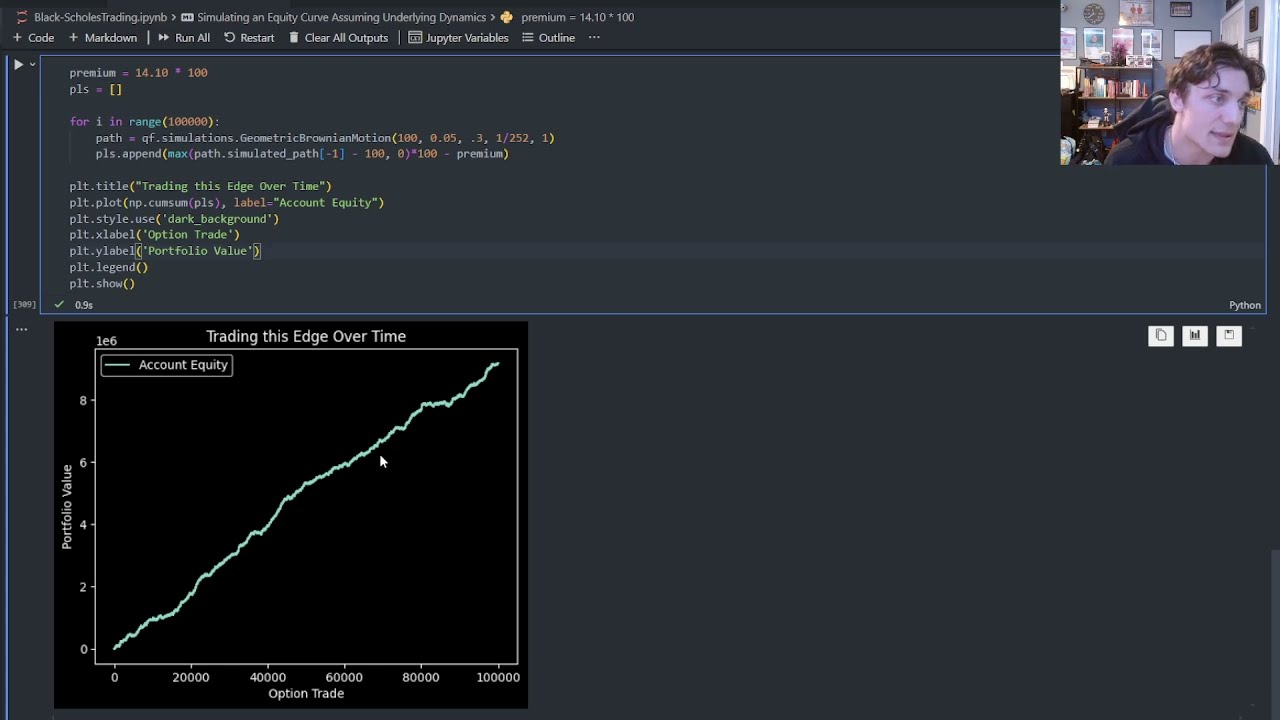
    • Programming Languages (e.g., Python): Offers the most flexibility for complex strategies, backtesting, and automation. Consider libraries like NumPy and SciPy. A practical example can be found in this Jupyter Notebook.
    • Financial Software Packages: Many professional trading platforms include integrated option pricing tools.
  3. Select a Brokerage Account: Choose a reputable broker that offers options trading and the tools or APIs you need for implementation. Interactive Brokers is a popular choice for algorithmic traders due to its advanced platform and extensive market access.

Phase 3: Strategy Development and Testing

  1. Calculate Theoretical Prices: Use your chosen implementation method to calculate the theoretical value of options for a given asset.
  2. Compare with Market Prices: Monitor live market prices and identify discrepancies between market premiums and your theoretical calculations.
  3. Develop Trading Rules: Based on your analysis, define clear rules for entering and exiting trades. For example, "If the market price is X% higher than the Black-Scholes value, consider selling the option."
  4. Backtest Your Strategy: Before risking real capital, test your trading rules on historical data to evaluate their past performance and potential profitability.

Phase 4: Live Trading and Optimization

  1. Execute Trades: Start with small position sizes to gain experience in a live environment.
  2. Monitor and Manage Risk: Continuously track your positions, re-evaluate model inputs, and manage your 'Greeks' to control risk exposure.
  3. Iterate and Refine: Market conditions change, and so should your strategy. Regularly review your performance, adjust your parameters, and update your model as needed.

This structured approach ensures that you are not just calculating numbers but are building a robust trading system based on sound financial principles. Remember, consistency and disciplined execution are key to long-term success in options trading.

Leveraging Volatility Insights: The Engine of Option Pricing

Volatility is the lifeblood of options trading. The Black-Scholes model inherently recognizes this, making implied volatility (IV) a crucial determinant of an option's price. Understanding and effectively leveraging IV is not just about plugging a number into a formula; it's about interpreting market sentiment and forecasting future price potential.

Implied volatility represents the market's consensus expectation of an asset's future price swings over the life of the option. Unlike historical volatility, which looks backward, IV is forward-looking. It's derived directly from the prices of options trading in the market. When market participants anticipate significant price movements (due to news, earnings, or economic events), demand for options increases, pushing up their prices and, consequently, their implied volatility. Conversely, periods of calm and low expected price movement lead to lower IV.

Market Implied Volatility is a key driver for option traders. A trader might sell options when IV is perceived as high, betting that actual realized volatility will be lower than implied. Conversely, buying options when IV is low assumes that future volatility will increase. This 'volatility trading' is a sophisticated strategy that leverages the Black-Scholes model's sensitivity to IV (Vega) to profit from changes in market expectations. For instance, if you believe the market is overestimating future volatility for a particular stock, you might sell call and put options to profit from the premium decay and the potential drop in IV. Conversely, if you anticipate a significant event that will cause sharp price movements, buying options when IV is relatively subdued could offer considerable leverage.

The VIX index, often referred to as the "fear index," is a prime example of how volatility is centrally tracked and traded. While the VIX tracks the implied volatility of the S&P 500 index options, similar principles apply to individual stocks. Analyzing the IV skew and term structure can further refine trading strategies. The IV skew refers to how IV differs across various strike prices for options with the same expiration date. Typically, out-of-the-money (OTM) puts have higher IV than OTM calls, reflecting a higher market demand for downside protection. The term structure shows how IV varies with expiration dates. Understanding these nuances allows traders to select options contracts that align with their volatility outlook and risk tolerance, making IV analysis a cornerstone of advanced options trading.

Risk Management Protocol: Navigating the Options Landscape

Successfully trading options using the Black-Scholes model necessitates a robust risk management protocol. The leverage inherent in options trading amplifies both potential profits and losses, making disciplined risk management not just advisable, but critical for survival.

The Financial Strategist is a business consultant and market analyst with over a decade of experience helping entrepreneurs and investors maximize their profitability. Their approach is data-driven, systematic, and focused on ruthless execution.

1. Understand and Monitor the 'Greeks': As discussed, the Greeks (Delta, Gamma, Theta, Vega, Rho) are indispensable tools for measuring and managing portfolio risk.

  • Delta: Measures the sensitivity of the option price to a $1 change in the underlying asset's price. A delta-neutral strategy aims to profit from factors other than price direction.
  • Gamma: Measures the rate of change of Delta. High Gamma means Delta changes rapidly, indicating higher risk in volatile markets.
  • Theta: Measures the rate of time decay. Options lose value as expiration approaches, and Theta quantifies this daily erosion.
  • Vega: Measures sensitivity to changes in implied volatility. Crucial for strategies betting on volatility shifts.
  • Rho: Measures sensitivity to changes in interest rates. Generally less significant for short-dated options.

Regularly calculating and monitoring your portfolio's aggregate Greek exposures allows you to identify and hedge unwanted risks. For instance, if your portfolio's Delta becomes too high, indicating significant exposure to upward asset price movements, you might hedge by selling futures or buying put options.

2. Position Sizing: Never risk an amount that would jeopardize your overall financial health. A common guideline is to risk no more than 1-2% of your trading capital on any single trade. For options, this means carefully calculating the premium paid or the potential margin required.

3. Diversification (Within Constraints): While concentrated bets can yield high returns, they also carry high risk. Diversify your option strategies across different underlying assets, expiration dates, and volatility profiles. However, be mindful of over-diversification, which can dilute potential gains and make management complex. The goal is intelligent diversification that enhances risk-adjusted returns.

4. Stop-Loss Orders and Contingency Planning: Define exit points *before* entering a trade. Use stop-loss orders to automatically exit a position if it moves against you beyond a predetermined level. Have contingency plans for unexpected market events. What will you do if a major news event causes extreme volatility overnight? Having a plan in place prevents emotional decision-making during stressful market conditions.

5. Continuous Learning and Adaptation: The markets are dynamic. What worked yesterday might not work today. Regularly review your trading performance, identify weaknesses in your strategy, and update your risk management protocols. Consider resources like Quant Guild for continuous learning and skill enhancement.

"Risk your capital, not your financial future. The market always offers new opportunities; ensure you are there to take them." - The Financial Strategist

By implementing these risk management principles, you can navigate the complexities of options trading with greater confidence, turning potential pitfalls into calculated opportunities for growth. A well-defined risk management strategy is the bedrock of any sustainable trading operation.

The Quant Guild Advantage: Tools and Resources for the Aspiring Quant

For those serious about quantitative trading and complex financial modeling, access to the right resources and community can be a significant advantage. Quant Guild aims to provide a comprehensive ecosystem for quantitative finance professionals and aspiring quants.

This platform offers a wealth of educational materials, including detailed tutorials, coding libraries, and community support. A key resource for anyone looking to implement the Black-Scholes model is their extensive GitHub repository, which hosts practical code implementations and examples. For instance, the Jupyter Notebook on Black-Scholes Trading provides a hands-on approach, allowing you to run the model and explore its outputs directly. This practical, code-driven learning is invaluable for bridging the gap between theory and real-world application.

Furthermore, Quant Guild fosters a community aspect through its Discord server. Engaging with fellow quantitative traders and analysts offers a unique opportunity to discuss strategies, troubleshoot problems, and stay abreast of the latest market trends and analytical techniques. The collaborative environment is essential for refining models and developing robust trading systems. You can join the Quant Guild Discord server to become part of this dynamic network.

Beyond specific model implementations, Quant Guild's blog provides in-depth articles and code walkthroughs on various quantitative finance topics, accessible via their Medium publication and Roman Michael Paolucci's personal Medium page. These articles often delve into the practical applications of financial theories, offering insights that can directly inform trading strategies. For those who prefer direct code access, their GitHub profile and the broader Quant Guild GitHub house a variety of useful libraries and projects. By leveraging these resources, traders can significantly accelerate their learning curve and enhance their ability to develop and execute sophisticated quantitative trading strategies.

Executing Your Strategy: The Brokerage and Tech Stack

The theoretical prowess of the Black-Scholes model means little without the right infrastructure to execute trades and manage the underlying data. Building an effective technological stack is as critical as understanding the model itself. For quantitative traders, this typically involves a combination of a robust brokerage platform, reliable data sources, and potentially custom-built software or scripting capabilities.

Brokerage Platform Choice: The selection of a brokerage firm is a strategic decision. For active traders and those implementing algorithmic strategies, platforms offering advanced charting, swift order execution, comprehensive market data, and API access are paramount. Firms like Interactive Brokers are frequently favored due to their global reach, wide array of tradable instruments, and sophisticated trading tools suitable for quantitative analysis. Their Trader Workstation (TWS) platform, for instance, allows for complex order entry and risk analysis.

Data Management: Accurate and timely data is the fuel for any quantitative model. This includes real-time prices for the underlying asset, option chains, historical price data for backtesting, interest rates, and crucially, implied volatility data. Many brokers provide this data, but for more demanding applications, specialized data vendors might be necessary. Ensuring data cleanliness and integrity is an ongoing task.

Software and Scripting: While spreadsheets can be used for basic Black-Scholes calculations, professional quantitative trading often necessitates more advanced tools. Python, with libraries such as NumPy, Pandas, and SciPy, has become an industry standard for financial modeling, data analysis, and algorithmic trading. The availability of pre-written code, like the example found on GitHub, significantly lowers the barrier to entry for those looking to automate their trading strategies. This allows for rapid testing of hypotheses and the development of complex, rule-based trading systems that can execute trades automatically based on market conditions and model outputs.

Integration and Automation: The ultimate goal for many quantitative traders is to automate their strategies. This involves integrating the pricing model with the brokerage's API to place orders automatically when predefined conditions are met. This not only enhances efficiency but also removes the emotional component from trading decisions, leading to more disciplined execution. Such automation requires a solid understanding of programming and financial markets, underscoring the value of resources like Quant Guild for developing these advanced skill sets.

The synergy between a powerful brokerage, reliable data, and flexible software tools is what transforms the theoretical framework of the Black-Scholes model into a potent, profit-generating trading machine. Investing in the right technological infrastructure is a critical step for any trader serious about competing in today's markets.

Strategist's Verdict: Is Black-Scholes Your Next Profit Center?

The Black-Scholes model is more than an academic exercise; it's a potent tool for profit if wielded with precision and discipline. Its strength lies in providing a standardized, quantitative approach to option valuation, allowing traders to identify potential mispricings and exploit market inefficiencies. The critical inputs – stock price, strike price, time to expiration, risk-free rate, and volatility – are the levers you can pull to understand and predict option premiums.

Opportunity Assessment: The primary opportunity arises from discrepancies between the model's theoretical price and the actual market price of an option. By systematically calculating these theoretical values and comparing them with market quotes, disciplined traders can uncover potential arbitrage or strategic entry points. Furthermore, the model's sensitivity to implied volatility offers a direct pathway to strategies that capitalize on changes in market expectations regarding future price swings.

Risk/Reward Profile: The effectiveness of Black-Scholes is intrinsically linked to risk management. The leverage inherent in options means that while potential profits can be substantial, losses can also be significant. Mastering the 'Greeks' (Delta, Gamma, Theta, Vega) is non-negotiable. These metrics allow for precise risk assessment and hedging, enabling traders to construct portfolios that align with their risk tolerance and profit objectives. Without a robust risk management protocol, even the most sophisticated quantitative models can lead to catastrophic losses.

Actionability for the Trader: For the aspiring quantitative trader, implementing the Black-Scholes model requires a commitment to learning and adopting the right tools. This involves understanding the mathematics, setting up reliable data feeds, and choosing appropriate software – be it sophisticated spreadsheets, Python scripting, or integrated brokerage platforms. Resources like Quant Guild and their associated coding repositories provide invaluable practical guidance for this implementation phase.

Verdict: The Black-Scholes model is not a magic bullet, but it is a foundational pillar for sophisticated options trading. Its continued relevance in hedge funds and proprietary trading desks attests to its power. For traders willing to put in the work – mastering its inputs, understanding its limitations, diligently managing risk, and leveraging the right technology – it represents a significant opportunity to gain a quantifiable edge and potentially unlock new profit centers. The key is rigorous analysis, disciplined execution, and continuous adaptation to market dynamics.

Questions Fréquentes

Q: What is the Black-Scholes model used for?

A: The Black-Scholes model is primarily used to calculate the theoretical price of European-style options. It provides a framework for understanding option pricing based on several key variables.

Q: What are the key inputs for the Black-Scholes model?

A: The model requires the current stock price, the option's strike price, time to expiration, the risk-free interest rate, and the expected volatility of the underlying asset.

Q: Can the Black-Scholes model be used for American options?

A: The standard Black-Scholes model is designed for European options, which can only be exercised at expiration. While adaptations exist, it doesn't inherently account for the early exercise feature of American options.

Q: How can I start trading options using the Black-Scholes model?

A: To begin, you need a solid understanding of options, the Black-Scholes inputs, and access to a trading platform. Practical implementation often involves using financial software or coding your own models, as detailed in this guide.

Your Mission: Implement Your First Black-Scholes Calculation

Now that you understand the framework and practical steps involved in using the Black-Scholes model, it's time to put your knowledge into action. The true mastery of any financial model comes from hands-on application.

Your Challenge: For the next 48 hours, identify a publicly traded European-style option (e.g., on the S&P 500 E-mini futures or a major stock with liquid options). Gather the necessary inputs: current underlying price, strike price, time to expiration (in years), a current risk-free rate (e.g., a US Treasury yield), and an estimate for implied volatility. Use a readily available online calculator, a spreadsheet template, or the provided Jupyter Notebook to calculate its theoretical Black-Scholes price. Compare this theoretical price to its current market price. Note down any significant difference and hypothesize why that discrepancy might exist.

Share your findings and your hypothesis in the comments below. Did you find a potential mispricing? What factors do you think contributed to it? Your active participation is crucial for cementing this knowledge and developing the sharp analytical skills required for profitable trading.

About The Author

The Financial Strategist is a seasoned business consultant and market analyst with over a decade of experience guiding entrepreneurs and investors toward maximizing their profitability. Their methodology is grounded in rigorous data analysis, systematic approach, and an unwavering commitment to execution excellence. They specialize in deconstructing complex financial models and business strategies into actionable plans, empowering individuals to achieve their financial goals.

The Financial Strategist

The $230 Million Crypto Heist: Anatomy of Malone Lam's Alleged Scam and How to Protect Your Capital


The digital asset landscape, while brimming with unprecedented opportunities for wealth creation, also harbors significant risks. The alleged $230 million cryptocurrency heist orchestrated by Malone Lam serves as a stark, high-stakes reminder. This wasn't merely a technical exploit; it was a sophisticated operation that leveraged psychological manipulation and a blatant disregard for investor protection, resulting in one of the largest individual cryptocurrency thefts in U.S. history. As strategists and investors, our primary directive is to dissect such events, not for sensationalism, but to extract actionable intelligence that fortifies our own financial fortresses. Understanding how such colossal sums vanish is the first step towards ensuring our capital remains secure and, more importantly, grows.

The Alleged $230 Million Heist: Unpacking Malone Lam's Tactics

The case of Malone Lam, a 20-year-old Singaporean national, has sent shockwaves through the cryptocurrency community. Accused of defrauding investors of an astonishing $230 million, Lam's alleged scheme is a potent case study in the vulnerabilities within the digital asset space. While the precise mechanics of the alleged theft are still under investigation and subject to legal proceedings, early reports suggest a sophisticated blend of deception and possibly social engineering. The sheer scale of the 'theft' from a private individual points to a strategy that likely exploited trust and perhaps a lack of stringent security protocols on the part of the victims or the platforms involved. This magnitude of loss underscores the critical need for advanced cybersecurity measures when dealing with significant digital assets. Investing in robust digital asset security and staying informed about emerging threats is no longer optional; it's a fundamental prerequisite for participating in this market.

How does one amass and abscond with such a fortune in cryptocurrency? While specifics are scarce, criminal enterprises in the digital realm often employ a multi-pronged attack. This can range from elaborate phishing campaigns and exploiting smart contract vulnerabilities to outright Ponzi schemes disguised as legitimate investment opportunities. The key takeaway for any investor looking to mitigate risk is to perform rigorous due diligence. Always verify the legitimacy of platforms and individuals. Understand the underlying technology and the risks associated with each asset. For those involved in high-value transactions, consider employing multi-signature wallets and hardware wallets, akin to using a vault for your digital wealth. The principle of "not your keys, not your coins" cannot be overstated when considering the safety of millions. For a deeper dive into securing your portfolio, our analysis of cryptocurrency security best practices offers foundational strategies.

From Digital Assets to Tangible Luxuries: The Spending Spree

The immediate aftermath of such a monumental alleged theft often involves a conspicuous display of ill-gotten gains. Reports indicate that Malone Lam engaged in an extravagant spending spree, converting the stolen cryptocurrency into tangible symbols of wealth. We're talking about swanky cars, international travel, luxury watches, and lavish parties at exclusive clubs. This behavior is not uncommon among individuals who acquire wealth illicitly. It serves multiple purposes: a way to launder the funds by integrating them into the legitimate economy, a method of displaying status to potentially lure more victims, and perhaps a manifestation of impulsive, unchecked power. From a strategic financial perspective, this highlights the importance of tracing the flow of funds. Understanding how illicit capital is laundered is crucial for regulators and law enforcement, but also for investors keen to avoid association with or investment in entities involved in such practices. Asset recovery in the crypto space is a complex legal and technical challenge, often involving deep forensic analysis of blockchain transactions.

"The allure of fast money in the crypto market can blind even astute investors. Vigilance and a critical mindset are your greatest assets."

The rapid conversion of digital assets into physical luxuries also points to the ongoing challenge of cryptocurrency regulation and traceability. While blockchains offer transparency in terms of transaction records, the anonymity or pseudonymity of wallets can make it difficult to link specific wallets to individuals without further investigative work. This is where the role of financial crime investigation and legal frameworks becomes paramount. For the average investor, this means approaching any investment promising astronomical, unearned returns with extreme skepticism. A robust investment strategy focuses on sustainable growth, not speculative windfalls.

Capture and Consequences: The Arrest of Malone Lam

The trajectory of such schemes often ends in apprehension, and Malone Lam's alleged spree was no exception. The arrest marks a critical juncture in the case, signaling the beginning of legal proceedings and the potential for asset recovery. For the victims, this step offers a glimmer of hope, though the complex nature of cryptocurrency law and international jurisdictions can make recovering stolen funds a protracted and uncertain process. The story of Lam's arrest is a potent reminder that while digital frontiers may seem boundless, real-world legal consequences still apply. This situation reiterates the need for investors to be aware of the legal recourse available in the event of fraud and to understand the regulatory environments of the platforms and assets they engage with.

From a business and investment standpoint, the arrest brings renewed focus on regulatory scrutiny. Authorities worldwide are increasingly seeking to establish clear frameworks for digital assets, balancing innovation with investor protection. This often involves increased oversight of exchanges, stricter Know Your Customer (KYC) and Anti-Money Laundering (AML) regulations, and enhanced tools for tracking illicit transactions. For legitimate projects and investors, this can be a positive development, weeding out bad actors and providing a more stable environment for growth. However, it also means that compliance will become an even more critical factor for success in the crypto space. Understanding the regulatory landscape is as vital as understanding market dynamics. The pursuit of regulatory compliance in fintech is a recurring theme in our analyses.

Safeguarding Your Digital Assets: Lessons from the $230 Million Scam

The Malone Lam saga is more than just a headline; it's a critical financial education module delivered at a colossal price for the victims. For every aspiring investor or established player in the digital asset market, the lessons are clear and non-negotiable. Safeguarding your capital requires a multi-layered approach that transcends simply buying an asset and hoping for the best.

Fortifying Your Digital Wallets

Firstly, security protocols. Assume that any online account or digital wallet is a potential target. Implementing strong, unique passwords, enabling two-factor authentication (2FA) – preferably using authenticator apps rather than SMS – and utilizing hardware wallets for significant holdings are non-negotiable. Never share your private keys or seed phrases with anyone, regardless of how credible they may seem. Think of your private keys as the deed to your digital property; losing them means losing your assets permanently.

Rigorous Due Diligence on Platforms and Projects

Secondly, the indispensable practice of due diligence. Before investing in any cryptocurrency, exchange, or DeFi platform, conduct thorough research. Who are the founders? What is their track record? Is the project transparent about its technology and tokenomics? Are there independent audits of their smart contracts? Beware of overly ambitious promises of guaranteed high returns, as these are classic red flags for fraudulent schemes. A deep dive into the project's whitepaper, community sentiment, and regulatory standing is crucial. For robust analysis, consider exploring resources on due diligence principles.

Understanding Risk and Diversification

Thirdly, a foundational principle of sound investing: risk management and diversification. Cryptocurrencies are inherently volatile assets. While they offer potential for high returns, they also carry a significant risk of loss. Never invest more than you can afford to lose. Diversifying your investment portfolio across different asset classes – including traditional assets like stocks and bonds, alongside a conservative allocation to digital assets – can mitigate the impact of downturns in any single market. Do not put all your eggs in one basket, especially in a market as volatile as crypto. Exploring strategies for portfolio diversification is essential.

Staying Informed About Evolving Regulations

Finally, staying abreast of the evolving regulatory landscape is paramount. As governments worldwide grapple with how to regulate digital assets, new rules and compliance requirements are constantly emerging. Understanding these regulations can help you navigate the market more safely and avoid potential legal pitfalls. Consult with legal and financial professionals when dealing with significant investments to ensure compliance.

"In the volatile world of crypto, knowledge isn't just power; it's your primary defense against financial ruin."

Maximizing Your Gains: The Binance Opportunity

Navigating the complex terrain of digital assets and seeking to maximize your potential returns requires leveraging the most robust platforms available. Binance stands out as a global leader in the cryptocurrency exchange market, offering a comprehensive suite of tools and services designed for both novice and experienced traders. Whether your strategy involves active trading, long-term holding through staking, or exploring decentralized finance (DeFi) opportunities, Binance provides the infrastructure to execute your financial objectives.

By utilizing Binance, investors can tap into a vast ecosystem for managing and growing their digital wealth. Understanding the platform's features, from spot trading and futures to savings products and NFTs, is key to developing a diversified strategy. It's imperative to approach any platform, including Binance, with a clear understanding of the associated risks, particularly concerning market volatility and the security of your own accounts. Consistent education and adherence to best security practices are paramount when engaging with any digital asset service.

Frequently Asked Questions

What is the alleged amount stolen in the Malone Lam cryptocurrency scam?
Malone Lam is alleged to have stolen US$230 million in cryptocurrency.

How did Malone Lam allegedly spend the stolen cryptocurrency?
He reportedly spent the funds on luxury items such as swanky cars, international travel, high-end watches, and lavish parties.

What are the key lessons for investors from this crypto scam?
This case highlights the critical importance of robust security measures, due diligence on platforms and individuals, understanding the risks of digital assets, and diversifying your investment portfolio beyond highly volatile digital currencies. It also underscores the need for regulatory oversight.

Where can I learn more about protecting my digital assets?
You can find more information on secure cryptocurrency practices by researching reputable cybersecurity firms, official government advisories on digital fraud, and educational resources focused on blockchain security. For investment-related insights, consider consulting with a qualified financial advisor and exploring resources on risk management in digital assets.

About The Author

The Financial Strategist

The Financial Strategist is a premier business consultant and market analyst with over a decade of experience empowering entrepreneurs and investors to maximize their profitability. Their approach is data-driven, systems-oriented, and focused on relentless execution. They specialize in dissecting complex financial landscapes to reveal clear pathways to wealth creation and asset protection.

Your Mission: Secure Your Digital Portfolio

The narrative of Malone Lam's alleged $230 million crypto heist is a high-visibility case study, but the principles it highlights are universal for anyone engaged with digital assets. Your mission, should you choose to accept it, is to translate these lessons into immediate, actionable steps to fortify your own financial position.

  1. Conduct a Personal Security Audit: Within 48 hours, review your current digital asset security. Are your passwords strong and unique? Is 2FA enabled on all relevant accounts? Consider upgrading your primary wallet to a hardware solution if you hold a significant amount.
  2. Verify Your Investment Due Diligence Process: Take one of your current or potential crypto investments. Spend one hour researching the project's core team, technology, and tokenomics. Look for independent audits and any red flags previously discussed.
  3. Assess Your Portfolio Diversification: If you are heavily concentrated in digital assets, identify one traditional asset class (e.g., ETFs, bonds, dividend stocks) you could allocate a small, manageable percentage of your capital to, increasing your resilience.
  4. Schedule a 'Regulatory Check-in': Set a calendar reminder for the first of every month to briefly research any significant regulatory news impacting digital assets in your jurisdiction or major global markets.

By taking these concrete steps, you move from being a passive observer of market events to an active architect of your financial security. The goal is not to avoid risk entirely – that's impossible in any investment endeavor – but to manage it intelligently and position yourself for sustained growth.