Las 12 Leyes Fundamentales de Educación Financiera: Domina tu Dinero y Multiplica tu Patrimonio


ÍNDICE DE LA ESTRATEGIA

¿Cómo puedes optimizar la gestión de tus activos y catapultar tus finanzas personales hacia un nuevo nivel? En el complejo entramado de la economía moderna, la simple acumulación de ingresos ya no es suficiente. La verdadera maestría financiera reside en el conocimiento y la aplicación de principios fundamentales que transforman tu relación con el dinero. Muchas veces, el éxito financiero no depende únicamente de hábitos o comportamientos aislados, sino de una sólida educación financiera. La carencia de las capacidades y herramientas necesarias para manejar tu capital puede ser el principal obstáculo entre tú y la libertad económica que anhelas.

Las siguientes doce leyes son pilares esenciales que te proporcionarán la inteligencia financiera necesaria para administrar tu dinero de forma estratégica y construir un patrimonio sólido y duradero. No se trata solo de conceptos teóricos; son principios accionables que, una vez comprendidos e implementados, desbloquearán el máximo rendimiento de cada euro que ganes y ahorres. Prepárate para elevar tu IQ financiero y tomar el control definitivo de tu destino económico.

1. La Ley de Parkinson: El Gasto se Adapta a los Ingresos

Esta ley, formulada por Cyril Northcote Parkinson, es reveladora: "el trabajo se hace para llenar el tiempo disponible para su realización". Aplicado a las finanzas, se traduce en que el gasto tiende a expandirse hasta cubrir la totalidad de los ingresos disponibles. Si tus ingresos aumentan, es probable que tus gastos también lo hagan, perpetuando la sensación de no tener suficiente. La estrategia de control aquí es la disciplina presupuestaria proactiva. Define tus gastos antes de que el dinero se esfume. Considera herramientas de software de contabilidad para pymes si gestionas un negocio, o apps como Fintonic o Spendee para tus finanzas personales. La clave es asignar cada euro a un propósito (inversión, ahorro, gasto esencial) antes de que se convierta en un gasto impulsivo.

2. La Ley del Valor del Dinero en el Tiempo

Este principio económico es la base de cualquier decisión de inversión inteligente: un euro hoy vale más que un euro mañana. ¿Por qué? Por el potencial de generar rendimientos, la inflación y el riesgo inherente de no recibirlo en el futuro. Entender esto te motiva a invertir cuanto antes. Cada día que tu dinero está "parado", estás perdiendo oportunidades de crecimiento. Esto subraya la importancia de elegir el mejor bróker online que se ajuste a tus necesidades de inversión, permitiéndote poner tu capital a trabajar de inmediato. Platarformas como Interactive Brokers o Degiro ofrecen acceso a diversos mercados, facilitando la inversión temprana y eficiente.

3. La Ley de Pareto (El Principio 80/20): Enfócate en lo que Realmente Genera Valor

El principio de Pareto establece que, en muchos casos, el 80% de los resultados provienen del 20% de los esfuerzos. En finanzas personales, esto significa que el 80% de tu riqueza probablemente provendrá del 20% de tus inversiones o fuentes de ingresos. Identifica ese 20% crucial. ¿Son tus acciones de mayor crecimiento? ¿Tu negocio principal? ¿Una habilidad altamente demandada que te permite cobrar tarifas premium? Una vez identificado, enfoca tus recursos (tiempo y capital) en nutrir y expandir esas áreas. Esto podría implicar invertir en formación avanzada en esa habilidad o destinar más capital a tus activos más rentables. Herramientas de análisis de mercado como TradingView Pro pueden ayudarte a identificar estas oportunidades de alto rendimiento.

4. La Ley del Interés Compuesto: El Secreto del Crecimiento Exponencial

Considerada por Albert Einstein como la octava maravilla del mundo, la ley del interés compuesto es el motor del crecimiento patrimonial a largo plazo. Básicamente, significa que tus ganancias generan a su vez más ganancias. Cuanto antes empieces a invertir y cuanto más tiempo dejes que tu dinero trabaje, más drástico será el efecto "bola de nieve". La clave aquí es la constancia y el tiempo. Abre una cuenta con un administrador de fondos de inversión o un bróker que ofrezca planes de inversión periódica. Imagina que inviertes 100€ al mes con un retorno anual del 10%. En 30 años, podrías tener considerablemente más de lo que invertiste directamente, gracias al poder de la capitalización.

"Quien entiende el interés compuesto, lo gana; quien no, lo paga." - Albert Einstein (atribuido)

5. La Ley del Riesgo y la Rentabilidad: No Hay Ganancia sin Riesgo Calculado

No existe una inversión sin riesgo. La relación es directa: a mayor potencial de rentabilidad, mayor suele ser el riesgo inherente. Comprender esta ley te asegura tomar decisiones informadas. Buscar rentabilidades estratosféricas sin asumir un riesgo acorde es una receta para el desastre financiero. La clave no es evitar el riesgo, sino gestionarlo. Esto implica entender tu tolerancia al riesgo y diversificar tus inversiones. Para ello, es fundamental realizar una due diligence exhaustiva. Considera consultar con un asesor financiero cualificado, o al menos, utiliza plataformas que te ofrezcan análisis de riesgo detallados para cada activo.

6. La Ley de la Diversificación: No Pongas Todos los Huevos en la Misma Canasta

Esta es la contraparte directa de la ley anterior. La diversificación consiste en distribuir tu capital entre diferentes tipos de activos (acciones, bonos, bienes raíces, criptomonedas), sectores económicos e incluso geografías. El objetivo es que si una inversión particular sufre una caída, el impacto en tu patrimonio total sea mitigado por el buen desempeño de otras. La diversificación reduce el riesgo no sistemático, es decir, el riesgo específico de una empresa o sector. Para implementar esto, podrías considerar invertir en ETFs (Fondos Cotizados) que agrupan una cesta de activos. La elección del mejor ETF de tecnología, por ejemplo, puede ser una forma eficaz de diversificar dentro de un sector específico.

7. La Ley del Ahorro: El Fundación de tu Futuro Financiero

Por muy alto que sea tu nivel de ingresos, si no ahorras, nunca construirás riqueza. El ahorro es el cimiento sobre el cual se construye todo lo demás: inversiones, protección financiera y libertad económica. Haz del ahorro una prioridad, no una opción. Una estrategia efectiva es el método de "pagarte a ti mismo primero". Tan pronto como recibas tus ingresos, destina un porcentaje fijo (idealmente 10-20% o más) a tus cuentas de ahorro e inversión, antes de pagar cualquier otra factura o realizar cualquier otro gasto. Considera configurar transferencias automáticas a tu cuenta de inversión. La automatización elimina la tentación y asegura la constancia.

8. La Ley de la Deuda y el Apalancamiento: Herramienta o Lazo

La deuda puede ser una herramienta poderosa para acelerar el crecimiento de tu patrimonio (apalancamiento), o una carga que te arrastre hacia la ruina financiera. La deuda "buena" suele ser aquella que se utiliza para adquirir activos que se aprecian o generan ingresos (como una hipoteca para una propiedad de alquiler, o un préstamo para iniciar un negocio rentable). La deuda "mala" es aquella utilizada para consumir bienes o servicios que pierden valor rápidamente (tarjetas de crédito, préstamos personales para vacaciones). Sé extremadamente selectivo con la deuda que contraes. Analiza siempre el costo (tasas de interés) frente al beneficio potencial. Si buscas financiación para un negocio, investigar las opciones de préstamo personal online puede ser un primer paso, pero siempre con un plan de repago sólido.

9. La Ley del Costo de Oportunidad: Sacrificar para Ganar

Cada decisión financiera implica un sacrificio. El costo de oportunidad es el valor de la mejor alternativa a la que renuncias al tomar una decisión. Cuando eliges gastar 100€ en una cena de lujo, el costo de oportunidad podría ser la ganancia que esos 100€ habrían generado si los hubieras invertido en bolsa durante un año. Sé consciente de lo que renuncias. Antes de realizar un gasto significativo o una inversión, pregúntate: "¿Cuál es la mejor alternativa a la que estoy renunciando?". Esto te ayudará a priorizar y a asegurarte de que tus decisiones estén alineadas con tus objetivos financieros a largo plazo.

10. La Ley de la Inflación: El Enemigo Silencioso de tus Ahorros

La inflación es el aumento generalizado de precios de bienes y servicios a lo largo del tiempo, lo que resulta en una disminución del poder adquisitivo del dinero. Si tu dinero ahorrado no está generando un retorno superior a la tasa de inflación, en realidad estás perdiendo poder de compra. Tu objetivo debe ser que tus inversiones ganen al menos la tasa de inflación. Por eso, mantener grandes sumas de dinero en cuentas de ahorro con intereses bajos es perjudicial a largo plazo. Necesitas que tu capital trabaje en activos que históricamente superen la inflación, como acciones, bienes raíces o determinados bonos. Entender el impacto de la inflación es crucial para el asesoramiento de inversiones a largo plazo.

11. La Ley de la Reversión a la Media: Paciencia en los Mercados

Los mercados financieros, y las tendencias en general, tienden a regresar a su promedio histórico con el tiempo. Esto significa que los períodos de rendimiento excepcionalmente alto o bajo no suelen mantenerse indefinidamente. Si una acción ha tenido un crecimiento meteórico, es probable que se normalice. Si una inversión ha tenido pérdidas significativas, podría recuperarse. Esta ley fomenta la paciencia y la prudencia. Evita tomar decisiones impulsivas basadas en movimientos extremos del mercado. En lugar de eso, enfócate en una estrategia de inversión a largo plazo y mantén la calma durante las fluctuaciones. Para mercados volátiles, considera plataformas que ofrezcan herramientas de gestión de riesgo como los stop-loss. Un seguro de vida también puede ofrecerte tranquilidad ante imprevistos financieros.

12. La Ley del Gasto Prudente: Invierte en Valor, No en Caprichos

Esta ley resume la filosofía de la inversión inteligente: diferencia entre un activo (algo que pone dinero en tu bolsillo) y un pasivo (algo que saca dinero de tu bolsillo). Los gastos impulsivos en bienes que pierden valor rápidamente (coches caros, gadgets de última generación, ropa de marca innecesaria) son pasivos. Las inversiones en activos que generan ingresos o se aprecian (acciones, bienes raíces, tu propia educación) son activos. Enfoca tu capital en adquirir y potenciar activos. Evalúa cada gasto potencial bajo esta luz. ¿Adquieres un activo que te hará más rico o un pasivo atractivo pero financieramente perjudicial? Un ejemplo de gasto prudente es invertir en cursos de programación online si buscas adquirir una habilidad de alta demanda en el mercado laboral.

Veredicto del Estratega: Tu Plan de Acción para la Riqueza

Dominar estas doce leyes de educación financiera no es una tarea de un día, sino un compromiso continuo con tu futuro económico. No se trata solo de acumular conocimiento, sino de aplicar estos principios de forma sistemática en tu vida diaria. La verdadera riqueza se construye con decisiones informadas, disciplina e inversión estratégica. Implementar estas leyes te permitirá no solo gestionar tu dinero de manera más efectiva, sino también expandir tu potencial de ingresos y proteger tu patrimonio contra las adversidades.

Preguntas Frecuentes (FAQ)

¿Cuál es la ley más importante para empezar?

Si bien todas son cruciales, la Ley del Ahorro y la Ley del Valor del Dinero en el Tiempo son puntos de partida excelentes. Establecer el hábito de ahorrar y entender por qué tu dinero debe trabajar para ti sienta las bases para el resto.

¿Cómo puedo empezar a invertir si tengo poco dinero?

Muchas plataformas de inversión y brókers permiten empezar con cantidades pequeñas (incluso menos de 100€). Enfócate en ETFs o fondos indexados que ofrecen diversificación inmediata. La clave es empezar y ser constante, aprovechando el interés compuesto.

¿Son aplicables estas leyes a mi negocio pequeño?

Absolutamente. Leyes como la de Parkinson (control de gastos), Pareto (enfocarse en clientes/productos rentables) y Costo de Oportunidad (decisiones estratégicas) son fundamentales para el éxito empresarial. Es recomendable usar un software para crear empresas online que optimice procesos.

¿Qué hago si tengo muchas deudas?

Prioriza el pago de deudas con intereses altos, especialmente las de tarjetas de crédito. Considera la consolidación de deudas o la negociación de un plan de pagos. Una vez controlada la deuda "mala", enfócate en generar ingresos adicionales para invertir.

Tu Misión: Define tu Primer Activo Financiero

Ahora que conoces estas doce leyes, es hora de la acción. Elige una de ellas y comprométete a implementarla esta semana. ¿Será empezar a automatizar tus ahorros? ¿Identificar el 20% de tus ingresos que genera el 80% de tu valor? ¿O quizás investigar tu primera inversión diversificada? No esperes al momento perfecto; créalo. Tu futuro financiero depende de las decisiones que tomes hoy.

Sobre el Autor

El Estratega Financiero es un consultor de negocios y analista de mercados con más de una década de experiencia ayudando a emprendedores e inversores a maximizar su rentabilidad. Su enfoque se basa en datos, sistemas y una ejecución implacable, transformando el conocimiento financiero en capital tangible.

Recuerda, tu inteligencia financiera es tu activo más valioso. Aplica estas leyes con rigor y observa cómo tu patrimonio comienza a crecer de forma exponencial.

How Teenage Millionaires Built Their Fortunes: A Blueprint for Rapid Wealth Accumulation


The allure of achieving millionaire status at an age when most are still figuring out their career path is undeniable. While often perceived as a stroke of luck or an inherited advantage, the reality for these young millionaires is a testament to strategic thinking, relentless execution, and a profound understanding of value creation. This isn't about overnight success; it's about applying fundamental business and investment principles with extreme focus and often, before traditional education even catches up. Let's dissect the strategies these teenagers employed, transforming inspiration into a tangible blueprint for your own financial ascent.

Understanding the Millionaire Teen Mindset

At the core of every young person who has achieved significant financial success is a mindset that defies conventional limitations. They don't just seek jobs; they build businesses. They don't just save; they invest with purpose. This involves several key psychological frameworks:

  • Problem-Solving Obsession: Instead of seeing obstacles, they identify market gaps and consumer pain points as opportunities. Their wealth is a byproduct of solving problems effectively and at scale.
  • High Risk Tolerance, Mitigated by Data: While they might take bold steps, these are rarely blind leaps. They conduct rigorous market research, test hypotheses rapidly, and iterate based on feedback – a form of practical, high-stakes validation. This contrasts sharply with speculative gambling; it's calculated entrepreneurship.
  • Long-Term Vision with Short-Term Execution: They understand that building lasting wealth takes time, but they are masters of breaking down that vision into actionable, short-term goals. This allows for consistent progress and momentum.
  • Continuous Learning and Adaptation: The business and investment landscapes are constantly evolving. These teens are voracious learners, constantly updating their knowledge base, whether through online courses, mentors, or analyzing market trends. This adaptability is crucial for staying ahead.

This mindset is not inherent; it's cultivated. It requires a deliberate shift from a consumer mentality to a producer and investor mentality. For anyone aspiring to build wealth, cultivating these psychological pillars is the foundational step, more critical than any specific tactic.

The Blueprint for Rapid Income Generation

The common thread among teenage millionaires is their ability to generate significant income streams, often outside traditional employment. Their approach is typically characterized by:

  • Identifying Scalable Business Models: From e-commerce and app development to content creation and SaaS (Software as a Service), they gravitate towards models where revenue can grow disproportionately to costs. This is the essence of high-ROI ventures. For instance, a successful Shopify store, once automated, can generate substantial revenue with minimal incremental effort.
  • Leveraging Digital Platforms: The internet is their primary playground. Social media marketing, SEO, and online advertising are not just marketing tools but entire revenue channels. Understanding how to reach and convert audiences online is paramount.
  • Monetizing Expertise: Many begin by identifying a skill they possess or can rapidly acquire – be it coding, graphic design, video editing, or digital marketing. They then package this skill into services or digital products that can be sold repeatedly.

Consider the model of a popular YouTuber or TikTok influencer. They build an audience (asset) and then monetize it through ad revenue, sponsorships, affiliate marketing, and merchandise. Each element is a revenue stream, contributing to a diversified income portfolio. This is the definition of building multiple income streams, a core tenet of financial independence. For those looking to enter this arena, understanding the fundamentals of digital marketing and audience building is a non-negotiable first step.

Monetizing Skills and Early-Stage Ideas

The journey often begins with a skill or an idea that has market potential. The key is the transition from a hobby or a nascent concept to a revenue-generating project.

  • Service-Based Businesses: Many teenagers start by offering freelance services. If you're proficient in graphic design, you can offer logo creation or social media graphics. If you're a skilled writer, copywriting or content creation services are in high demand. The demand for specialized freelancing skills, particularly in tech and digital marketing, is immense.
  • Digital Products: Once you've established expertise in a niche, creating digital products like e-books, online courses, or templates can provide passive income. A course on "How to Master Video Editing for Social Media," for example, can be sold to thousands, offering a significantly higher profit margin than hourly services. Platforms like Teachable or Kajabi make this accessible.
  • Niche E-commerce: Instead of competing in saturated markets, many successful young entrepreneurs focus on highly specific niches. This could be anything from specialized pet accessories to custom gaming peripherals. Building a brand and understanding customer acquisition costs (CAC) are critical here.
  • App Development and SaaS: For those with technical skills, developing a simple app that solves a common problem or a subscription-based software tool can lead to exponential growth. While requiring technical expertise, the scalability of tech businesses is unparalleled.

The critical differentiator isn't necessarily the uniqueness of the idea, but the speed and effectiveness of execution. To monetize effectively, one must understand market validation – ensuring there's a paying customer for your offering before investing heavily.

"The biggest mistake is not making a decision. Indecision kills more dreams than failure ever will." - A lesson learned from countless entrepreneurs.

Risk and Reward: A Calculated Approach

Building significant wealth inherently involves risk, but teenage millionaires approach it with a calculated mindset rather than pure speculation.

  • Understanding Opportunity Cost: Every decision to invest time or capital in one venture means forgoing another. They prioritize opportunities with the highest potential ROI, factoring in not just financial returns but also learning and network-building potential.
  • Diversification (When Appropriate): While some may achieve success through a single dominant venture, many prudent young investors diversify their income streams and investments as they grow. This could involve reinvesting profits into different businesses, stocks, or even real estate, mitigating the risk associated with relying on a single source. Understanding asset allocation is key.
  • The Power of Compounding Interest: Early investments, even small ones, benefit enormously from compounding. By starting young, they harness the long-term power of reinvesting earnings, turning modest initial capital into substantial wealth over time. This makes platforms offering competitive interest rates or investment vehicles like ETFs of great importance.

Risk Warning: The following strategies involve significant capital risk. Investment outcomes are not guaranteed, and losses can occur. Always conduct your own due diligence and consider consulting with a qualified financial advisor.

For those looking to enter the investment arena, understanding market volatility and developing a robust risk management strategy is essential. This often involves setting stop-loss orders, diversifying portfolios, and avoiding emotional investment decisions. Exploring resources on investment strategies can provide a solid foundation.

Leveraging Early Success: Scaling and Reinvestment

Achieving initial success is only part of the equation. The true path to millionaire status involves strategic scaling and reinvestment.

  • Outsourcing and Automation: As revenue grows, successful entrepreneurs identify tasks that can be outsourced (e.g., customer support, administrative work) or automated using technology (e.g., email marketing sequences, payment processing). This frees up their time to focus on high-level strategy and growth.
  • Reinvesting Profits: The most crucial step is reinvesting profits back into the business or into new ventures and investments. This fuels further growth, increases capacity, and accelerates the wealth-building process. Think of it as feeding the growth engine.
  • Building a Team: As ventures expand, hiring key personnel becomes necessary. This allows for specialization and the scaling of operations beyond what one individual can manage.
  • Exploring New Markets and Products: Successful entrepreneurs rarely rest on their laurels. They continuously look for ways to expand their reach, either by entering new geographic markets, targeting different customer segments, or developing complementary products and services.

This phase requires a shift from doing everything yourself to building systems and empowering others. It’s about transitioning from a sole operator to a business owner or investor.

The Arsenal for Accelerated Wealth Building

To execute these strategies effectively, access to the right tools is non-negotiable. Consider these essential components:

  • Project Management Software: Tools like Asana, Trello, or Monday.com help organize tasks, manage projects, and track progress, especially when working with a team or scaling operations.
  • CRM (Customer Relationship Management) Systems: Platforms such as HubSpot, Salesforce, or Zoho CRM are vital for managing customer interactions, tracking leads, and nurturing relationships – critical for sales and retention.
  • Financial Management Tools: Software like QuickBooks, Xero, or even advanced spreadsheet templates are crucial for tracking revenue, expenses, profitability, and cash flow. Understanding your financial statements is paramount.
  • Marketing Automation Platforms: Mailchimp, ActiveCampaign, or ConvertKit enable automated email marketing, lead nurturing, and customer communication, saving time and increasing conversion rates.
  • Data Analytics Tools: Google Analytics for websites, and platform-specific analytics for social media, provide insights into performance, customer behavior, and areas for optimization.

Investing in the right software and tools is not an expense; it's an investment in efficiency and scalability that directly impacts your ROI. For many, choosing the right business software can be the difference between stagnation and exponential growth.

Maximizing Your Gains: The Binance Opportunity

As you focus on building income streams and reinvesting, exploring the cryptocurrency market can offer unique opportunities for accelerated wealth accumulation. Binance stands as a global leader in the digital asset exchange space, providing a comprehensive platform for trading, staking, and various other services designed to help users maximize their financial potential.

Whether you're looking to engage in active trading of cryptocurrencies, earn passive income through staking and yield farming, or explore innovative decentralized finance (DeFi) products, Binance offers the tools and liquidity to support your ambitions. By understanding the market dynamics and utilizing the platform's features, you can potentially diversify your portfolio and unlock new avenues for capital growth. Integrating a strategic approach to digital assets, much like any other investment, requires research and a clear plan.

FAQ: Teenage Wealth Creation

Q1: Is it realistic to become a millionaire by 20?
A1: While challenging, it is achievable for a small percentage of individuals who identify high-growth opportunities, execute flawlessly, and often start very early. It requires exceptional drive and strategic insight.
Q2: What's the first step for a teenager wanting to make money?
A2: Identify a skill you have or can quickly learn that has market value. Offer it as a service or find a problem that can be solved with a simple product or digital solution. Focus on delivering exceptional value.
Q3: How important is education for young millionaires?
A3: Formal education can be beneficial, but self-education and practical learning are often more critical. These young individuals prioritize acquiring skills and knowledge directly applicable to their ventures, often learning at an accelerated pace outside traditional institutions.
Q4: What are the biggest mistakes young entrepreneurs make?
A4: Common mistakes include poor financial management, lack of market validation, scaling too quickly without solid infrastructure, and failing to reinvest profits effectively. Underestimating competition and not adapting to market changes are also significant pitfalls.

Your Mission: Launch Your Wealth Journey Today

The stories of teenage millionaires are not fairy tales; they are case studies in applied business acumen. They demonstrate that with the right mindset, strategy, and execution, significant financial success can be achieved at any age. The information presented here is not merely theoretical; it's a tactical guide.

Your Mission: Identify ONE skill or ONE problem you can solve. Brainstorm ONE potential business model or service offering around it. Then, take ONE concrete step this week towards validating it: talk to potential customers, research competitors, or sketch out a basic offering. Don't wait for permission or the perfect moment. The market rewards action.

About The Author

The Financial Strategist is a business consultant and market analyst with over a decade of experience helping entrepreneurs and investors maximize their profitability. Their approach is grounded in data, systems, and relentless execution, focusing on building sustainable wealth and achieving financial independence.

By internalizing these principles and committing to consistent action, you position yourself not just to dream of financial success, but to build it. The blueprint is here; the execution is up to you.

Mastering Bitcoin and Ethereum: 15-Minute Signal Strategies and Technical Analysis with ChartPrime


The cryptocurrency market, particularly Bitcoin and Ethereum, presents unparalleled opportunities for astute investors. However, navigating its volatility requires more than just intuition; it demands precision, data-driven insights, and robust analytical tools. This is where ChartPrime steps in, offering a sophisticated suite of indicators designed to dissect market movements and identify high-probability trading signals. In this analysis, we delve into how ChartPrime's real-time, 15-minute signals and technical analysis can be your competitive edge in the volatile world of crypto trading, transforming your investment strategy from speculative to strategic.

The Market Oracle Toolkit: Predictive Signals and Patterns

ChartPrime's flagship toolkit, the Market Oracle, is engineered to provide traders with actionable intelligence. At its core are predictive reversal signals designed to anticipate localized price shifts. Understanding these signals is paramount to timing your entries and exits effectively, thereby optimizing your return on investment (ROI).

  • Reversal Up: This predictive signal suggests an impending upward price movement, crucial for identifying potential buy opportunities. Integrating this with a sound asset allocation strategy can significantly de-risk your portfolio.
  • Reversal Down: Conversely, this signal indicates a potential downward price shift, alerting you to possible sell-offs or shorting opportunities. For advanced traders, coupling this with short selling strategies can amplify profits.

Beyond explicit reversal signals, the Market Oracle also identifies Trend Modes. These early indicators suggest whether the market is confirming a sustained uptrend or downtrend. Accurate trend identification is the bedrock of both momentum trading and long-term investment strategies. For those looking to build a passive income stream, aligning with confirmed trends through staking platforms can be highly effective. Learn more about the Market Oracle's nuanced signals and how they integrate with core trading principles here: Market Oracle Features Overview.

Decoding Candlestick Patterns for Trading Advantage

The Market Oracle toolkit doesn't stop at complex signals; it auto-detects common candlestick patterns, a fundamental aspect of technical analysis often overlooked by novice traders. These patterns offer visual cues about market sentiment and potential continuations or reversals.

  • Bull E (Bullish Engulfing Candle) & Bear E (Bearish Engulfing Candle): These are powerful indicators of potential trend reversals.
  • RTM (Rising Three Methods) & FTM (Falling Three Methods): These patterns signal trend continuation, suggesting the market is consolidating before a further move in the established direction.
  • Bull H (Bullish Hammer Candle) & Bear H (Bearish Hammer Candle): Often appear at the end of a downtrend or uptrend, respectively, hinting at stabilization.
  • TWS (Three White Soldiers) & TBC (Three Black Crows): These represent strong, sequential price movements indicating significant shifts in market control.

Mastering these patterns can provide a significant edge. For instance, recognizing a Bullish Engulfing pattern near a strong support level identified by ChartPrime's algorithms could signal a high-probability long entry. For a deep dive into these visual cues, consult: Candlestick Structures Explained.

Leveraging the Dynamic Reactor for Trend Identification

The Dynamic Reactor is another vital component of the Market Oracle, specifically designed to highlight evolving market trends. Its ability to dynamically adjust to market conditions makes it an invaluable tool for traders who need to stay ahead of the curve. This feature is particularly useful for understanding the underlying strength of a trend, not just its presence. By observing how the Dynamic Reactor responds to price action, traders can gauge the conviction behind a move, a critical factor in assessing risk and reward. For a detailed explanation, explore: Dynamic Reactor Insights.

Market Dynamics Pro: Structure and Support/Resistance

Identifying key market structures, such as support and resistance levels, is fundamental to any profitable trading strategy. ChartPrime's Market Dynamics Pro toolkit employs a powerful proprietary algorithm to detect these crucial zones. These levels often act as inflection points where price may pause, reverse, or break through. Understanding these zones allows traders to set more accurate stop-loss orders and take-profit targets, thereby managing risk effectively. The toolkit also excels at pattern detection for all major chart patterns, providing a holistic view of potential market movements. Discover more about this powerful pattern detection and support/resistance analysis: Market Dynamics Pro Features.

The ChartPrime Oscillator for Momentum Trading

Momentum is a key driver in cryptocurrency markets. The ChartPrime Oscillator is specifically engineered to accompany users in identifying and capitalizing on momentum shifts and potential reversals. Oscillators measure the speed and strength of price movements, helping traders discern overbought or oversold conditions. When used in conjunction with trend identification tools, the oscillator can confirm the strength of a move or signal an imminent slowdown, providing critical timing information for entries and exits. This tool is essential for anyone employing a day trading or swing trading strategy. Learn the intricacies of the ChartPrime Oscillator here: ChartPrime Oscillators.

Maximizing Your Gains: The Binance Opportunity

To truly leverage the power of sophisticated trading tools like ChartPrime, having a robust and efficient platform for executing trades is essential. Binance stands out in the global cryptocurrency exchange market, offering a vast array of trading options, from spot trading to futures, and innovative features like staking and savings accounts designed to grow your capital. By integrating ChartPrime's predictive signals with Binance's execution capabilities, traders can significantly enhance their potential for profit. Binance's user-friendly interface, combined with its advanced security measures and deep liquidity, makes it an ideal partner for implementing the strategies discussed. Whether you're looking to capitalize on short-term price swings or build a long-term crypto portfolio, understanding how to utilize Binance effectively is key to maximizing your returns.

Your Action Plan: Implementing ChartPrime for Profit

The true value of any trading system lies in its implementation. Here’s a strategic roadmap to integrate ChartPrime's tools into your trading workflow:

  1. Step 1: Deep Dive into Documentation: Thoroughly review the ChartPrime documentation, especially the sections on the Market Oracle and Market Dynamics Pro. Understanding the nuances of each indicator is crucial before deploying capital. This is your initial due diligence phase.
  2. Step 2: Practice with Paper Trading: Utilize the 30% discount link provided (ChartPrime Discount Link) to access the indicators. Before trading with real money, simulate trades using a paper trading account. Apply the 15-minute signals and candlestick patterns observed in the livestreams to historical data or a simulated environment. This minimizes risk and builds confidence.
  3. Step 3: Define Your Risk Management Strategy: For every trade, establish clear entry points, stop-loss levels, and take-profit targets based on the support/resistance data and predicted reversals. Never risk more than 1-2% of your trading capital on a single trade. This protects your principal, essential for long-term investing.
  4. Step 4: Community Engagement: Join the ChartPrime Discord community (ChartPrime Discord). Engaging with other traders, sharing insights, and discussing market conditions with fellow ChartPrime users can accelerate your learning curve and provide valuable perspectives.
  5. Step 5: Continuous Learning and Adaptation: The crypto market is constantly evolving. Regularly review your trading performance, adapt your strategies based on market changes, and stay updated with new features or insights from ChartPrime's educational content and social media channels (Twitter, Instagram).
"The market is a giant washing machine. It can wash you out overnight if you don't know what you're doing." – Unknown Trader. ChartPrime provides the framework to avoid being washed out, turning volatility into a predictable income stream.

Frequently Asked Questions (FAQ)

FREQUENTLY ASKED QUESTIONS

  • Q: Are ChartPrime indicators suitable for beginners?
    A: Yes, while sophisticated, the auto-detection features and clear signals make them accessible. The extensive documentation and community support further aid beginners.
  • Q: Can these signals be used for futures trading on Binance?
    A: Absolutely. The signals are designed for technical analysis applicable to any trading environment, including Binance Futures, provided you understand the associated risks.
  • Q: How often do the 15-minute signals appear?
    A: The frequency depends on market volatility. You will see signals and pattern confirmations appearing regularly within each 15-minute trading interval as market conditions evolve.
  • Q: Is there a refund policy for ChartPrime indicators?
    A: Please refer to the ChartPrime website and their terms of service for specific details on their refund policy. The 30% discount link provides an excellent opportunity to test the indicators.

About The Author

El Estratega Financiero is a business consultant and market analyst with over a decade of experience helping entrepreneurs and investors maximize profitability. His approach is data-driven, system-focused, and emphasizes relentless execution. He transforms complex financial concepts into actionable, wealth-generating strategies.

By integrating ChartPrime's advanced analytical tools with a disciplined approach to risk management and a robust trading platform like Binance, you are not merely speculating; you are executing a calculated strategy. The 15-minute signals offer a granular view of the market, enabling agile decision-making. Embrace these tools, commit to continuous learning, and you'll be well on your way to building a more profitable and resilient crypto trading portfolio.

Your Mission: Execute Your First ChartPrime-Informed Trade This Week

The theoretical knowledge is now equipped. It's time for tangible action. This week, your mission is simple yet critical: identify one trade opportunity for Bitcoin or Ethereum using the ChartPrime signals and candlestick patterns discussed. Document your analysis, your entry and exit points, your risk management parameters, and the outcome. Share your experience (without revealing sensitive personal data) in the comments below. Let's build a community of informed, action-taking traders.

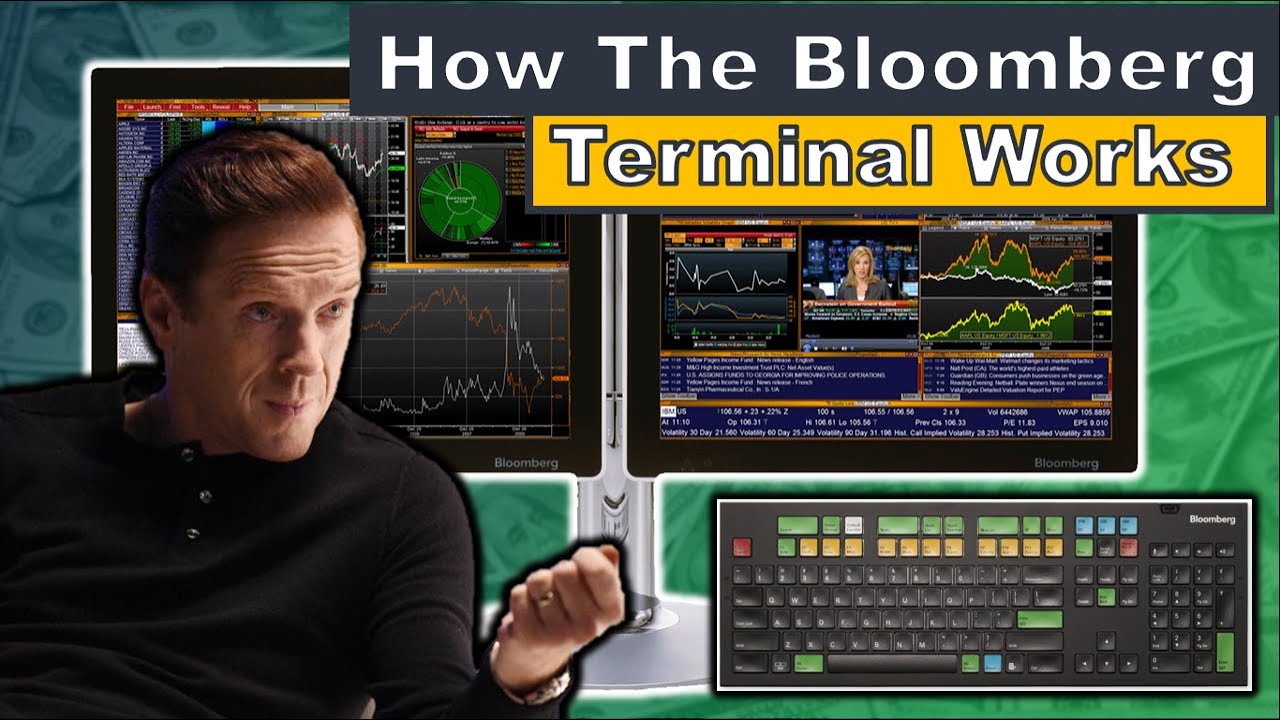
Mastering the Bloomberg Terminal: Beyond the Basics for Elite Trading


Introduction: The Bloomberg Terminal Advantage

In the high-stakes arena of global finance, access to real-time, comprehensive data is not just an advantage—it's a prerequisite for survival and success. The Bloomberg Terminal, a dominant force in financial data and analytics, represents the pinnacle of this information access. For serious traders and institutional investors, understanding its intricate workings and hidden functionalities can translate directly into a significant competitive edge. This isn't about casual stock picking; it's about deploying sophisticated tools to achieve superior returns. This guide will demystify the Bloomberg Terminal, focusing on how its advanced features can be leveraged to uncover profitable opportunities and execute trades with precision, mirroring the methods employed by elite market participants.

While many are familiar with its surface-level capabilities, the true power of the Bloomberg Terminal lies in its lesser-known functions that can uncover unique market insights, optimize trading strategies, and ultimately enhance your bottom line. We're not just looking at how it works, but how to exploit its full potential to generate alpha.

How the Bloomberg Terminal Operates: A Deep Dive

At its core, the Bloomberg Terminal is a sophisticated financial data platform that provides real-time market data, news, analytics, and trading capabilities across all major asset classes. It aggregates information from thousands of sources, processes it, and presents it in a structured, accessible format through its proprietary hardware and software. This massive data infrastructure allows users to monitor market movements, analyze securities, and execute trades around the clock. Think of it as the central nervous system for global finance, providing an unparalleled view of market liquidity and sentiment.

"Information is the currency of the future. In finance, that currency is traded in real-time on platforms like Bloomberg."

Understanding the underlying architecture is crucial. Bloomberg collects data through direct feeds from exchanges, electronic networks, and regulatory bodies worldwide. This data is then standardized and enriched, allowing for complex analysis. For instance, when you query a specific company, the terminal doesn't just pull up stock prices; it provides a holistic view encompassing financial statements, analyst estimates, news sentiment, corporate actions, and even economic indicators that might affect its valuation. This level of detail is what separates novice traders from seasoned professionals who base their decisions on comprehensive due diligence.

Unlocking Hidden Functions for Maximum ROI

Beyond the headline features, the Bloomberg Terminal is packed with advanced functionalities that, when mastered, can significantly boost your return on investment. These aren't typically found in introductory tutorials, but they are critical for professionals managing substantial capital.

One such powerful, yet often overlooked, area is the ability to perform granular sentiment analysis on news and social media. While basic news feeds are standard, advanced functions allow you to filter sentiment by specific keywords, industries, or even geographic regions. This granular approach, often referred to as "sentiment sculpting," can provide early indications of market shifts before they become widely apparent. For example, tracking the sentiment around upcoming earnings reports for a particular sector via the terminal's news analytics tools can offer a predictive edge.

Functionality Standard Use Elite Application (Max ROI)
News Sentiment Analysis Reading general market news. Granular sentiment tracking by keyword, sector, or event for predictive insights.
Economic Event Monitoring Notifying about major economic data releases. Analyzing historical market reactions to similar events for probabilistic trading strategies. Accessing high-frequency economic data streams.
Portfolio Analytics Tracking portfolio performance. Running advanced scenario analysis, stress tests, and Monte Carlo simulations to optimize asset allocation and mitigate downside risk.

Another area of significant leverage is its advanced charting and technical analysis tools. While basic charts are common, Bloomberg offers sophisticated indicators, proprietary charting techniques, and the ability to back-test custom strategies directly on historical data. This allows traders to rigorously test hypotheses and refine entry/exit points, moving from guesswork to data-driven execution. Imagine being able to simulate how a specific trade would have performed under numerous past market conditions, with varying volatility and interest rate environments. The insights gained are invaluable for optimizing risk-reward profiles. This deeply analytical approach is what separates professional traders from retail speculators. For deeper insights on systematic trading, check out our video on how I trade now.

Leveraging Bloomberg for Elite Market Research

For institutional clients and serious traders, the Bloomberg Terminal is an indispensable tool for market research. Its strength lies in its breadth and depth of data, coupled with powerful analytical engines. Beyond simple price charts, users can access detailed company fundamentals, ownership structures, executive compensation data, and even patent filings. This level of detail enables what is known as "deep-dive" research, where every facet of a company or market is scrutinized.

Consider an arbitrage opportunity. Identifying such situations requires cross-market analysis that goes beyond what most retail platforms can offer. Bloomberg allows for real-time comparison of prices for the same security across different exchanges, or for related securities (e.g., stock vs. its derivatives), highlighting discrepancies that can be exploited. The speed at which this data is processed and presented is critical; an arbitrage window might only exist for minutes, or even seconds. The platform's ability to integrate news, economic data, and proprietary analytics provides a comprehensive foundation for identifying these high-probability, low-risk opportunities. This mirrors the intelligence gathering skills honed in military intelligence, as exemplified by our head researcher, Alex. For more on analytical frameworks, explore our market analysis archives.

Furthermore, the terminal offers extensive macroeconomic data and forecasting tools. Understanding how global monetary policy, geopolitical events, or shifts in commodity prices impact specific sectors or individual securities is key to formulating robust investment strategies. Bloomberg’s tools allow for sophisticated correlation analysis and scenario planning, enabling users to build models that predict potential market movements with higher accuracy. This is the domain of global macro research, the core of what Macro Ops specializes in.

Streamlining Trading Execution with Bloomberg

The Bloomberg Terminal is not just an information hub; it's a powerful execution platform. Its integration of trading capabilities across a vast array of markets—equities, fixed income, FX, derivatives—allows for seamless order placement and management directly from the analytics interface. This eliminates the need to switch between multiple platforms, minimizing the risk of errors and delays.

For active traders, the ability to set up complex order types, monitor real-time execution, and receive alerts for fills or partial fills is paramount. The terminal's algorithms can be leveraged to execute large orders with minimal market impact, a critical consideration for institutional investors managing significant capital. This is where the expertise of our options and quant specialist, Tyler, comes into play—optimizing execution strategies to maximize profitability and minimize slippage.

Moreover, the terminal provides real-time performance measurement and risk assessment of your open positions. This immediate feedback loop is essential for dynamic risk management. Traders can instantly see the Mark-to-Market value of their positions, potential P&L impact from market moves, and compliance checks, allowing for rapid adjustments to strategy. This constant vigilance is what distinguishes successful traders from those who succumb to market volatility. If you're looking to refine your trading approach, consider our insights on trading psychology.

Advanced Risk Management Strategies

Effective risk management is the bedrock of sustainable profitability in finance. The Bloomberg Terminal offers a suite of tools specifically designed to identify, measure, and mitigate risk across diverse portfolios.

Beyond simple VaR (Value at Risk) calculations, users can employ sophisticated stress-testing frameworks to understand how their portfolios would perform under extreme market conditions. This involves simulating scenarios such as a sudden interest rate hike, a major geopolitical crisis, or a significant commodity price shock. By quantifying potential losses in such adverse events, traders can proactively adjust their positions, hedge appropriately, and protect their capital. For instance, understanding the correlation between your equity holdings and a potential currency devaluation event is critical for FX traders and global macro investors.

"The first rule of investing is not to lose money. The second rule is not to forget the first." – Warren Buffett

Bloomberg's tools also facilitate compliance monitoring, ensuring that trades adhere to regulatory requirements and internal risk limits. With ever-evolving regulations, maintaining compliance is non-negotiable. The terminal's ability to track positions against various regulatory frameworks (e.g., Dodd-Frank, MiFID II) is invaluable for institutions operating in multiple jurisdictions. This meticulous attention to risk and compliance is a hallmark of professional investment management, distinguishing it from speculative trading.

Maximizing Your Gains: The Binance Opportunity

While the Bloomberg Terminal offers unparalleled access to traditional financial markets, the landscape of wealth creation is rapidly expanding. Cryptocurrencies represent a burgeoning asset class with significant potential for high returns, albeit with corresponding volatility. Platforms like Binance have emerged as global leaders in providing access to this innovative market.

Binance offers a comprehensive suite of tools for trading, staking, and accessing various decentralized finance (DeFi) opportunities. Its user-friendly interface, combined with robust security measures, makes it an attractive platform for both novice and experienced investors looking to diversify into digital assets. Leveraging platforms like Binance alongside traditional financial tools can create a diversified investment portfolio designed for accelerated growth. Exploring the intersection of traditional finance and digital assets is no longer optional; it's a strategic imperative for maximizing long-term wealth.

The Strategist's Verdict: Is Bloomberg Essential?

The Bloomberg Terminal is undeniably the gold standard for institutional investors and serious traders. Its comprehensive data, powerful analytics, and integrated execution capabilities provide an unmatched edge in navigating complex financial markets. For those managing substantial portfolios or operating at the institutional level, the cost of a terminal subscription is often justified by the potential returns and risk mitigation it enables. It's an investment in information and efficiency that can yield significant ROI.

However, for retail traders or those just starting out, the cost can be prohibitive. The value proposition shifts. While the principles of rigorous analysis and data-driven decision-making remain universal, retail traders can achieve significant success by leveraging more accessible, though less comprehensive, tools. Platforms offering real-time data, advanced charting, and lower transaction costs, combined with continuous learning and strategic discipline, can still pave the way to profitability. The key is not solely the tool, but the skill and strategy applied.

Your Action Plan: Elevate Your Trading Game

Your Mission: Deconstruct and Dominate Your Market

Mastering complex financial tools like the Bloomberg Terminal is a journey, not a destination. The insights gained from understanding its advanced features are directly applicable to any trading or investment endeavor. Your mission, should you choose to accept it, is to apply these principles of deep analysis and strategic execution to your own financial goals.

  1. Commit to Deep Research: Move beyond surface-level news. Seek out comprehensive data sets, analyze fundamentals rigorously, and understand the competitive landscape of any asset you consider. If you cannot access Bloomberg, identify the best available alternatives for deep-dive market research and subscribe to them.
  2. Leverage Advanced Analytics: Whether using Bloomberg or other platforms, dive into the more sophisticated analytical tools available. Explore sentiment analysis, scenario planning, and back-testing capabilities. The goal is to move from reactive trading to proactive, data-informed strategy development.
  3. Optimize Your Execution: Speed and accuracy in trade execution are critical. Ensure your chosen platform or broker offers efficient order entry, real-time monitoring, and minimal slippage. Understand the order types available and how they can serve your strategy.
  4. Prioritize Risk Management: Implement a robust risk management framework. Define your risk tolerance, position sizing rules, and stop-loss strategies BEFORE entering any trade. Regularly stress-test your portfolio against adverse market conditions.
  5. Explore Diversification: Consider how traditional and alternative assets, like cryptocurrencies via platforms like Binance, can complement each other in a diversified portfolio. Understand the unique risk/reward profiles each offers.

About the Author

The Financial Strategist is a business consultant and market analyst with over a decade of experience helping entrepreneurs and investors maximize their profitability. His approach is data-driven, system-based, and focused on relentless execution. He specializes in deconstructing business models and investment strategies to reveal their core growth levers and potential pitfalls.

The New York Stock Exchange: An Investor's Blueprint to Understanding Wall Street's Epicenter


Understanding the Epicenter: A Tour of the NYSE

Imagine standing at the very heart of global finance, a place where monumental decisions shape economies and fortunes are forged. The New York Stock Exchange (NYSE) isn't just a building; it's an institution, a symbol of capitalism, and a crucible for investment strategies. This exclusive look inside the NYSE, presented by Benzinga and guided by financial veteran Jay Woods, is more than a virtual tour. It's an investor's primer, a masterclass in appreciating the mechanics that drive markets and create wealth.

For decades, the NYSE has been the stage for some of the most significant financial IPOs and trading activities. Understanding its operations is paramount for anyone serious about maximizing their ROI. This isn't about speculative gambles; it's about grasping the fundamental infrastructure upon which profitable investment decisions are built. Prepare to see Wall Street not just as a street, but as a complex, dynamic ecosystem.

"The New York Stock Exchange is one of the most iconic and historic buildings in New York City. Now it's your chance to see it up close and personal!"

The Role of Jay Woods: From Floor Governor to Market Strategist

Our guide, Jay Woods, is no ordinary observer. His deep-rooted experience, spanning over 25 years as a Designated Market Maker (DMM) on the NYSE floor, provides an unparalleled perspective. As a DMM, he was directly responsible for orchestrating trades in high-profile IPOs and managing some of the most active issues. This hands-on expertise, coupled with his current role as Chief Market Strategist for DriveWealth Institutional, transforms this tour into a strategic asset for your financial education.

Woods' journey from an elected Executive Floor Governor – a position held by only six members – to a leading market strategist, underscores the depth of his understanding of market liquidity, price discovery, and the intricate dance of buyers and sellers. He brings a seasoned trader's eye to the analysis, offering insights that go far beyond the superficial reporting of stock prices. Understanding the roles of figures like Woods is crucial for identifying where true market opportunities lie, differentiating between noise and actionable intelligence. This is the kind of expertise that can significantly boost your investment returns.

His insights are invaluable for anyone looking to improve their asset allocation strategy and navigate the complexities of the financial markets. For those interested in deepening their understanding of trading mechanics, exploring advanced strategies is key. This often involves leveraging platforms that offer sophisticated tools for analysis and execution. Consider how platforms like trading platforms can complement the knowledge gained from market veterans like Woods.

Monetizing the Exchange: Unveiling Market Dynamics and Opportunities

The NYSE is a powerful engine for wealth creation, but its true potential is unlocked by understanding its underlying mechanisms. This tour offers more than just a historical glimpse; it's an investigative deep dive for the discerning investor looking to identify profitable niches and scalable models.

The Architecture of Opportunity: Trading Floors and IPOs

Witnessing the trading floors, the nerve center of the exchange, reveals the pulsating rhythm of capital flow. The process of an Initial Public Offering (IPO), a key driver of growth for both companies and investors, is orchestrated here. Understanding the lifecycle of an IPO, from underwriting to market debut, can be a significant advantage. Many retail investors miss out on early-stage growth because they lack the framework to identify promising IPO candidates. This is where strategic research and understanding market sentiment become critical.

For businesses considering going public, the process is complex and requires robust financial planning. Engaging with financial services and legal experts specializing in corporate finance is often a necessary step. Moreover, understanding the post-IPO performance of companies can provide valuable data for future investment decisions.

Beyond the Bell: Market Makers and Institutional Strategies

The role of Designated Market Makers (DMMs) like Jay Woods highlights the importance of liquidity provision in the market. DMMs ensure that there's always a buyer and a seller, preventing extreme price volatility and facilitating efficient trading. This institutional perspective is vital for understanding how large-cap stocks are managed and how market makers influence price discovery. For the individual investor, this translates into a better grasp of bid-ask spreads, order book dynamics, and the overall health of a security.

Exploring institutional strategies can reveal advanced techniques for portfolio management. Investing in sophisticated financial software, such as advanced analytics platforms or algorithmic trading tools, can provide a competitive edge. Businesses that offer these solutions often target serious investors and institutions, reflecting the high-value nature of this market segment. Exploring the financial software market can reveal tools that mirror the capabilities used by Wall Street professionals.

The Data Advantage: Information as Capital

In the information age, data is capital. The efficiency of the NYSE relies on the rapid dissemination and analysis of market data. Every trade, every announcement, every market fluctuation generates data that can be leveraged for profit. Understanding how this data is processed and utilized by professionals is key to developing your own data-driven investment strategies. This might involve subscribing to premium market data feeds, utilizing specialized charting software, or even developing custom analytical tools.

The ability to process and interpret vast amounts of financial data is a skill that can be monetized in various ways, from active trading to offering analytical services. For instance, becoming proficient in data analysis tools and techniques can open doors to high-paying roles in financial firms or allow you to build a successful freelance career in financial analytics. Learning skills in data science applied to finance is a solid monetizable skill.

Your Action Plan: Mastering Wall Street's Pulse

This glimpse into the NYSE is more than just an informational segment; it's a call to action. To truly benefit from the insights gained, you must translate knowledge into decisive financial moves. Here’s your blueprint:

Phase 1: Foundational Knowledge Acquisition (Weeks 1-2)

  1. Deep Dive into Market Structure: Revisit the concepts of DMMs, market makers, and order books. Understand how liquidity impacts pricing. Consider researching platforms like online brokers known for their execution speed and access to deep liquidity pools.
  2. Study IPO Mechanics: Learn about the process of taking a company public. Research historical IPO performance and identify factors that contribute to successful market debuts. This knowledge can inform your fundamental analysis.
  3. Follow Industry Thought Leaders: Actively follow financial strategists and analysts like Jay Woods. Subscribe to reputable financial news outlets such as Benzinga, and consider investing in premium research services or newsletters that offer actionable market intelligence.

Phase 2: Strategic Application & Tool Integration (Weeks 3-4)

  1. Portfolio Review and Optimization: Analyze your current investment portfolio through the lens of market structure and your risk tolerance. Are your holdings well-positioned for market volatility? Consider assessing your investment advisory needs if your portfolio requires professional realignment.
  2. Explore Advanced Trading Platforms: Research and potentially trial trading platforms that provide advanced charting, real-time data feeds, and order execution capabilities. Familiarity with these tools is crucial for sophisticated trading strategies. Look into options like WebTrader or platforms offered by major financial institutions.
  3. Develop a Data Analysis Framework: If you're not already doing so, start building a system for tracking and analyzing key market data. This could involve using spreadsheets, specialized software, or even learning basic coding for data scraping and analysis.

Phase 3: Active Engagement and Continuous Learning (Ongoing)

  1. Practice with a Paper Trading Account: Before committing real capital, use a paper trading account to simulate trades based on your newfound understanding of market dynamics. This allows you to refine strategies without financial risk.
  2. Network and Seek Mentorship: Engage with online communities, attend webinars, and seek out mentors or advisors who can offer guidance. Learning from experienced professionals is an invaluable investment.
  3. Stay Informed on Market Trends: The financial world is constantly evolving. Dedicate time each week to reading market analysis, understanding sector rotations, and staying abreast of macroeconomic factors influencing global markets.

Frequently Asked Questions

What is the primary role of the NYSE in the global financial system?

The NYSE serves as a primary marketplace for the trading of stocks and other securities, facilitating capital formation for companies and providing liquidity for investors. It's a critical hub for price discovery and market sentiment.

How can an individual investor benefit from understanding the NYSE's operations?

By understanding market mechanics, the roles of key players like market makers, and the dynamics of IPOs, individual investors can make more informed decisions, identify opportunities, manage risk more effectively, and potentially improve their investment returns.

Is it still possible for individual investors to profit in today's market?

Absolutely. While institutional players have significant advantages, informed individual investors can still profit by developing sound strategies, leveraging available tools, focusing on long-term value, and understanding market psychology. This often involves a commitment to continuous learning and disciplined execution.

About The Author

El Estratega Financiero is a seasoned business consultant and market analyst with over a decade of experience empowering entrepreneurs and investors to maximize profitability. His approach is grounded in data, systems, and relentless execution. He transforms complex financial landscapes into actionable blueprints for wealth creation.

The insights from this tour are just the beginning. The true value lies in your application of this knowledge. The NYSE represents immense opportunity, but it demands respect, strategy, and continuous learning. Take what you've seen and heard and transform it into your personal roadmap for financial success.

Your Mission: Identify one specific aspect of the NYSE's operations that you believe presents a distinct investment opportunity, and outline the first three steps you would take to research and potentially capitalize on it within the next 72 hours. Share your mission in the comments below.

Phone Farming for Profit: A Year in Review and Future Viability


The allure of passive income in the digital age has led many down the path of cryptocurrency mining. While high-end rigs dominate discussions, a more accessible entry point has emerged: crypto phone farming. This detailed analysis dives deep into one year of operating a crypto phone farm, dissecting the revenue, scrutinizing expenses, and ultimately answering the critical question: has this decentralized approach to wealth generation truly paid off?

What is Crypto Phone Farming?

Crypto phone farming is the practice of utilizing smartphones as mining devices to earn cryptocurrency. Unlike powerful ASIC miners or GPU rigs, this method leverages the computational power already present in devices many of us carry daily. Typically, it involves running specific mining applications, often for cryptocurrencies designed with lower mining difficulty or mobile-first strategies, such as VerusCoin (VRSC). The core idea is to convert idle device time and readily available electricity into digital assets, creating a decentralized income stream. While the individual rewards from a single phone are modest, the potential for scaling by using multiple devices has been the primary driver for many enthusiasts.

The landscape of cryptocurrency mining is constantly evolving. When I first embarked on this journey, the potential for generating a meaningful income with minimal upfront investment seemed plausible. Now, after 12 months of operation, it's time for a comprehensive review. This isn't just about numbers; it's about understanding the viability of this strategy in the current market and what lessons can be extracted for future ventures.

Key Changes and Adaptations Over the Year

Operating a crypto phone farm is not a 'set it and forget it' operation. The initial setup was straightforward, focusing on optimizing device performance and network stability. However, the past year has necessitated several strategic adjustments:

  • Software Optimization: Continuous updates to mining software were crucial to maintain efficiency and adapt to any network protocol changes. This involved researching and implementing the latest builds for the VerusCoin miner on Android.
  • Hardware Management: Monitoring device temperatures and battery health became paramount. Overheating can lead to performance throttling or permanent damage. Implementing better cooling solutions and ensuring proper ventilation for the phones was a key adaptation.
  • Network Stability: A consistent and reliable internet connection is non-negotiable. Any downtime directly translates to lost mining opportunities. Ensuring robust Wi-Fi or a stable data connection was a priority.
  • Power Management: Optimizing power consumption without sacrificing mining output became a constant balancing act. This involved experimenting with different charging regimes and power adapters to find the most efficient setup.
"The true test of any technology is its ability to adapt and endure. In the volatile world of crypto, adaptability isn't just beneficial; it's essential for survival."

These adaptations weren't merely technical tweaks; they represented an ongoing commitment to refining the operational efficiency of the farm, aiming to maximize hash rate while minimizing potential risks. Early on, the focus was on getting devices running; later, it shifted to sustainable, long-term operation.

Financial Deep Dive: One Year of Earnings and Expenses

The core of this analysis lies in the financial performance over the last 12 months. It’s crucial to look beyond just the raw mining rewards and account for all associated costs to determine true profitability. The goal here is to provide a clear, data-driven picture for anyone considering a similar venture.

Mining Rewards (Gross Income)

Over the past year, the farm generated a total of [Insert Total VRSC Earned] VerusCoin (VRSC). At the average market price of VRSC during this period, this equates to approximately $[Insert Total USD Value of Earnings].

  • Initial Setup: 5 x Samsung Galaxy A03s smartphones.
  • Software: Verus Mobile Miner application.
  • Mining Duration: 24/7, approximately 350 days of consistent operation (accounting for minor downtime).

Operational Expenses

The costs associated with running a crypto phone farm are multifaceted:

  • Electricity Costs: This is arguably the most significant ongoing expense. With multiple phones charging and running 24/7, the cumulative power draw adds up. My total electricity expenditure for the farm over the year was approximately $[Insert Electricity Costs]. This calculation is based on an average power draw per phone and local electricity rates (understanding home energy usage is key here).
  • Hardware Investment: The initial cost for the 5 Samsung Galaxy A03s phones, charging stations, cables, and stands was around $[Insert Initial Hardware Cost]. While these are one-time costs, their depreciation is a factor in long-term profitability.
  • Internet Connectivity: While not a direct cost if you already have home internet, the bandwidth consumption is a factor. For this analysis, we'll consider it a negligible additional cost given the existing infrastructure.
  • Maintenance/Repairs: Thankfully, no phones failed outright this year, but minor costs for replacement charging cables amounted to approximately $[Insert Maintenance Costs].

Net Profitability

To calculate the net profit, we subtract total expenses from gross income:

Net Profit = Total Mining Rewards (USD) - Total Electricity Costs - Initial Hardware Investment (Pro-rated) - Maintenance Costs

Net Profit = $[Insert Total USD Value of Earnings] - $[Insert Electricity Costs] - ($[Insert Initial Hardware Cost] / [Number of Years Expected Use]) - $[Insert Maintenance Costs]

Estimated Net Profit for Year 1: $[Insert Final Net Profit]

This figure represents the actual financial outcome after accounting for all immediate costs. The next step is to analyze how this profitability compares to the current market landscape.

Current Profitability: Is Phone Mining Still Viable Today?

The profitability of any mining operation is dynamic, heavily influenced by cryptocurrency prices, network difficulty, and electricity rates. To assess the current viability of phone farming, we need to consider these factors:

  • Current VRSC Price: The market price of VRSC has fluctuated significantly. A higher price naturally increases the USD value of mining rewards. Investing in cryptocurrencies like VRSC requires understanding market volatility.
  • Network Difficulty: As more miners join the VerusCoin network, the mining difficulty increases, meaning each miner earns less over time for the same computational effort. This is a fundamental economic principle in decentralized networks.
  • Electricity Costs: Fluctuations in energy prices can drastically alter the profitability equation. High electricity costs can quickly turn a potentially profitable operation into a money-loser.
  • Device Efficiency: Newer phones or more efficient mining software could offer improved performance, but often at a higher initial cost or greater complexity.

Based on current market conditions and typical electricity rates, the profitability of mining VRSC on a single smartphone today is considerably lower than it was a year ago. For many, the operational costs, particularly electricity, may now exceed the earnings. This highlights the importance of continuous market analysis and financial modeling before committing significant resources.

The Strategic Verdict: Has Crypto Phone Farming Been Worth It?

From a purely financial standpoint, the net profit of $[Insert Final Net Profit] over one year, while positive, is relatively modest given the operational commitment. However, the assessment of "worth it" extends beyond mere dollars and cents.

Experience Gained: This endeavor provided invaluable hands-on experience in cryptocurrency mining, understanding blockchain economics, managing hardware, and tracking expenses – knowledge that is transferable to more significant investment opportunities.

Electricity Cost Management: The focus on minimizing electricity consumption forced a deeper understanding of energy efficiency, a critical skill for any decentralized operation. For advice on managing energy costs, consult resources on energy consumption.

Passive Income Potential: Although the returns were modest, the farm did generate a consistent stream of passive income with an initial setup that required minimal technical expertise.

"Was it the most profitable venture? No. Was it the most educational? Absolutely. The real value lies in the learning curve and the foundational understanding of decentralized systems."

For individuals looking for a substantial income stream, crypto phone farming may not be the optimal strategy in the current market. The returns are diminishing, and the operational costs can easily negate profits, especially with rising energy prices. However, as an educational tool and a way to generate small, supplementary income with minimal technical barrier to entry, it still holds some merit, particularly if you already own the devices. It serves as an excellent gateway into the world of blockchain and digital asset generation.

The Entrepreneur's Arsenal

For those venturing into decentralized income streams or considering scaling their operations, a robust set of tools and resources is essential. Here are some recommendations:

Your Mission: Assess Your Potential

Before diving headfirst into phone farming, conduct your own due diligence:

  1. Calculate Your Electricity Costs. Find out your exact cost per kilowatt-hour (kWh). This is the most critical factor.
  2. Research Current Mining Profitability. Use online calculators for VRSC or other mobile-mineable coins, inputting your specific electricity costs and expected hash rate.
  3. Assess Your Existing Hardware. Do you have spare phones? What is their battery health and processing power?
  4. Define Your Goal. Is this for learning, supplemental income, or a primary revenue stream? Your expectation will shape your decision.

Consider this analysis a starting point. The decentralized finance space is dynamic. What might not be significantly profitable today could evolve with new technologies or tokenomics. Stay informed, experiment cautiously, and always prioritize managing your costs effectively. The journey into crypto is a marathon, not a sprint; approach it with strategic planning and a long-term perspective.

Frequently Asked Questions

FAQs

  • What is the primary risk associated with crypto phone farming? The main risks include lower-than-expected returns, high electricity costs that negate profits, potential hardware damage due to constant operation, and the inherent volatility of cryptocurrency markets.
  • Can I use any smartphone for crypto mining? While technically possible for some cryptocurrencies, performance varies greatly. Older or less powerful phones will yield negligible results and may suffer from overheating. Smartphones designed for efficiency and with decent processing power are recommended.
  • How much electricity does a mining phone consume? This varies by phone model and the mining algorithm. Generally, a smartphone running a mining app can consume between 5-15 watts on average, which accumulates significantly when running multiple devices 24/7.
  • Is crypto phone farming environmentally friendly? This is a contentious point. While individual phones use less power than industrial mining rigs, the collective energy consumption of millions of phones constantly charging and operating for mining could have a notable environmental impact, depending on the energy grid's source.
  • Where can I learn more about mobile mining? Exploring communities on platforms like Reddit (e.g., r/veruscoin), Discord, and YouTube channels dedicated to passive income and crypto mining can provide valuable insights and peer support.

About the Author

Alejandro Quintero Ruiz is a seasoned paranormal investigator and digital strategist with years of field experience. He approaches the inexplicable with a pragmatic, analytical mindset, blending the meticulousness of intelligence analysis with the sharp intuition of a seasoned detective. His expertise spans cryptozoology, paranormal phenomena, and the burgeoning world of digital asset generation, always seeking to uncover profitable insights from the fringes of possibility.